뉴질랜드 > 맛집·카페
뉴질랜드 스테이크 가이드: 목초 사육 소고기, 부위 영어(스카치 필레·아이 필레)와 굽는 법
뉴질랜드 마트 정육 코너에서 Scotch fillet, Eye fillet, Rump 같은 이름을 보면 한국에서 쓰던 등심·안심과 어떻게 맞춰야 할지 헷갈리기 쉽습니다. 이 글에서는 뉴질랜드 소고기가 어떤 방식으로 길러지는지와 그래서 굽는 법이 어떻게 달라지는지, 부위 영어 대응표, 라벨과 Quality Mark 읽는 법, 스테이크·로스트 굽기 온도, 정육점과 레스토랑에서 바로 쓰는 영어 표현을 차례로 정리합니다. 수치는 Beef + Lamb New Zealand와 이 단체가 운영하는 레시피 사이트 recipes.co.nz 자료를 기준으로 했고, 확인일은 2026년 9월 30일입니다.
뉴질랜드 소고기는 목초 사육이 기본입니다
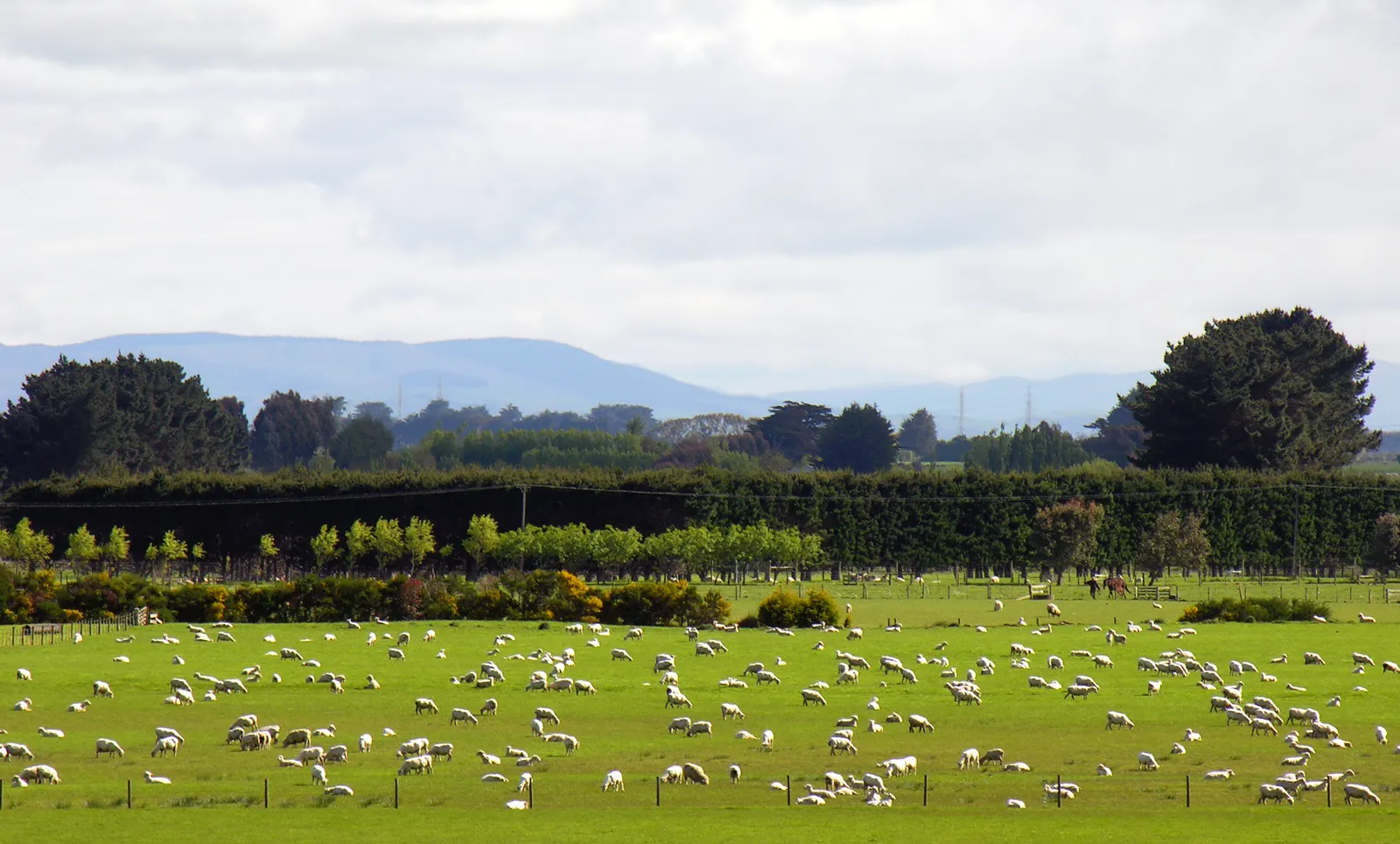
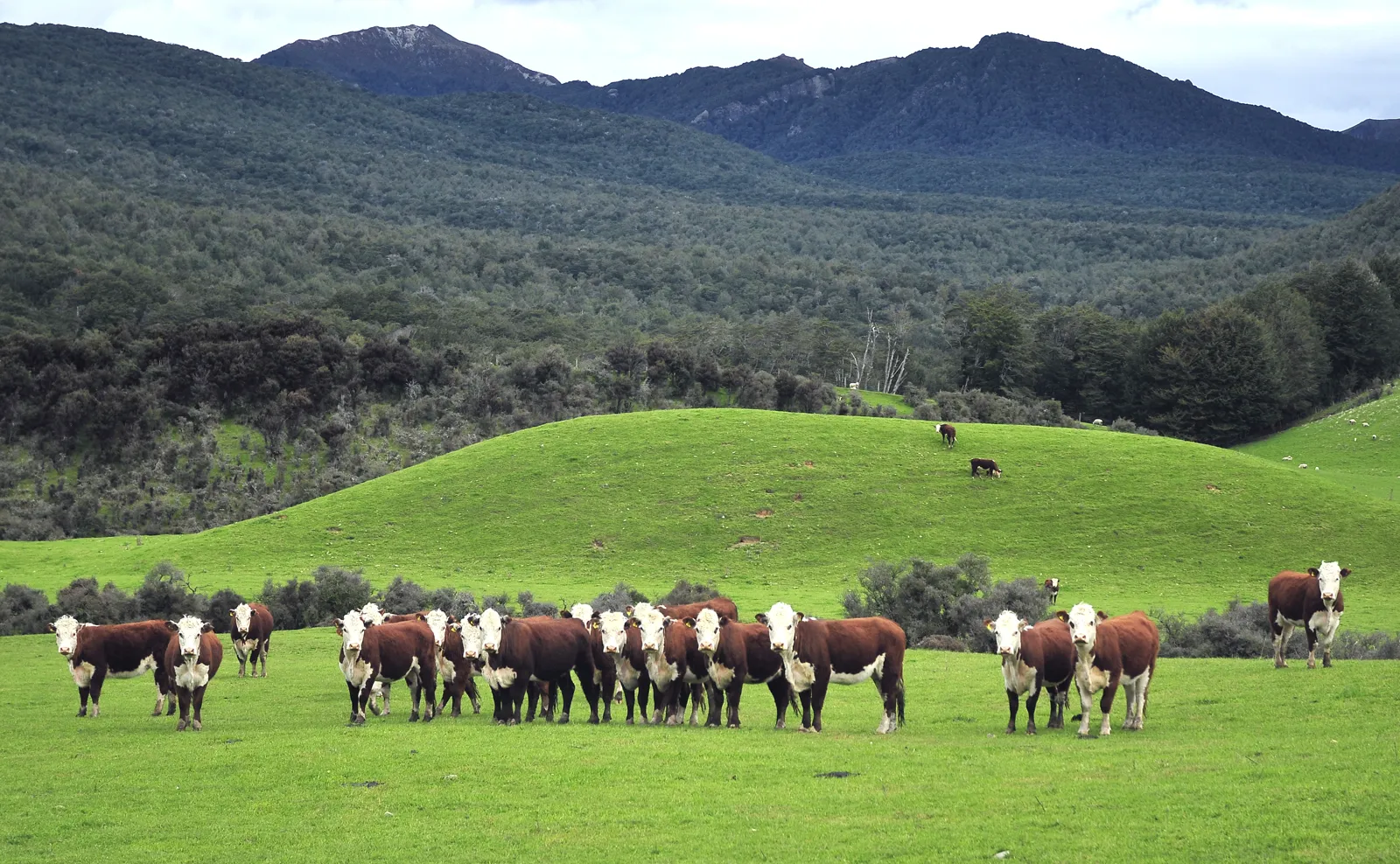
업계 단체인 Beef + Lamb New Zealand는 뉴질랜드 소가 목초지에서 자유롭게 풀을 뜯으며 자란다고 소개합니다. 같은 자료에서 뉴질랜드 소고기를 목초 사육(grass-fed), 방목(free range)이며 인공 첨가물과 성장 호르몬이 없는 고기로 설명합니다.
굽는 사람에게 가장 중요한 점은 익는 속도입니다. Beef + Lamb New Zealand는 뉴질랜드산 같은 목초 사육 소고기가 기름이 적어서, 대부분의 조리법에서 약 30% 더 빨리 익는다고 안내합니다. 곡물 사육 소고기에 맞춘 시간표를 그대로 따르면 원하는 것보다 더 익을 수 있습니다. 시간보다 고기 속 온도와 손 감촉으로 확인하는 편이 안전합니다.
한 가지 덧붙이면, 마트에 따라 곡물 비육(grain-finished)이라고 표시한 소고기가 있을 수 있습니다. 이 글에서는 그 비중을 확인하지 못했으니, 목초 사육 여부가 중요하다면 포장 라벨의 grass-fed 표기를 직접 확인하세요.
부위 영어 대응표
아래 표의 뉴질랜드 표기와 다른 이름은 recipes.co.nz의 부위별 안내에 나온 이름을 기준으로 했습니다. 한국어 칸은 흔히 쓰는 대략적인 대응일 뿐 출처 자료에 나온 것은 아닙니다. 나라마다 고기를 자르는 경계가 달라서 정확히 같은 부위는 아니라는 점을 감안해 주세요.
| 뉴질랜드 표기 | 다른 나라 이름 | 한국어 (대략) | 특징 |
|---|---|---|---|
| Scotch fillet | Rib-eye | 꽃등심·등심 쪽 | 갈비(rib) 쪽 부위, 마블링이 좋고 가운데 지방이 익으며 풍미를 냄 |
| Eye fillet | Tenderloin, fillet | 안심 | 가장 연한 부위, 기름이 적음 |
| Sirloin | Striploin, New York strip(해외), Porterhouse(특히 뼈 있는 것) | 채끝 쪽 | 갈비 바로 뒤 short loin 부위, 가장자리에 얇은 지방 캡(fat cap), 부드러우면서 씹는 맛이 있음 |
| Rump | Rump steak | 우둔·설도 쪽 | 기름이 적고 맛이 진함, sirloin보다 저렴해 바비큐용으로 좋음 |
| T-bone / Porterhouse | — | 티본 | 뼈 양쪽에 안심과 채끝, porterhouse는 더 두껍고 안심 비중이 큼 |
| Y-bone | Bone-in blade steak | 어깨(블레이드) 쪽 | 저렴함, 팬·바비큐로도 굽지만 약한 불에 오래 익히면 특히 부드러워짐 |
| Minute steak | — | 얇게 썬 스테이크 | 얇아서 몇 분 만에 익음 |
처음 사신다면 이렇게 고르시면 무난합니다. 풍미와 굽기 쉬운 부위를 원하면 Scotch fillet, 부드러운 식감을 원하면 Eye fillet, 여럿이 캠핑장에서 넉넉하게 구울 때는 Rump가 좋습니다. Y-bone(어깨 블레이드)은 저렴하고, 팬·바비큐로도 굽지만 약한 불에 오래 익히면 특히 부드러워집니다. recipes.co.nz는 굽기 전에 가장자리를 손질해 두면 가열할 때 고기가 말려 올라가지 않는다고 안내합니다.
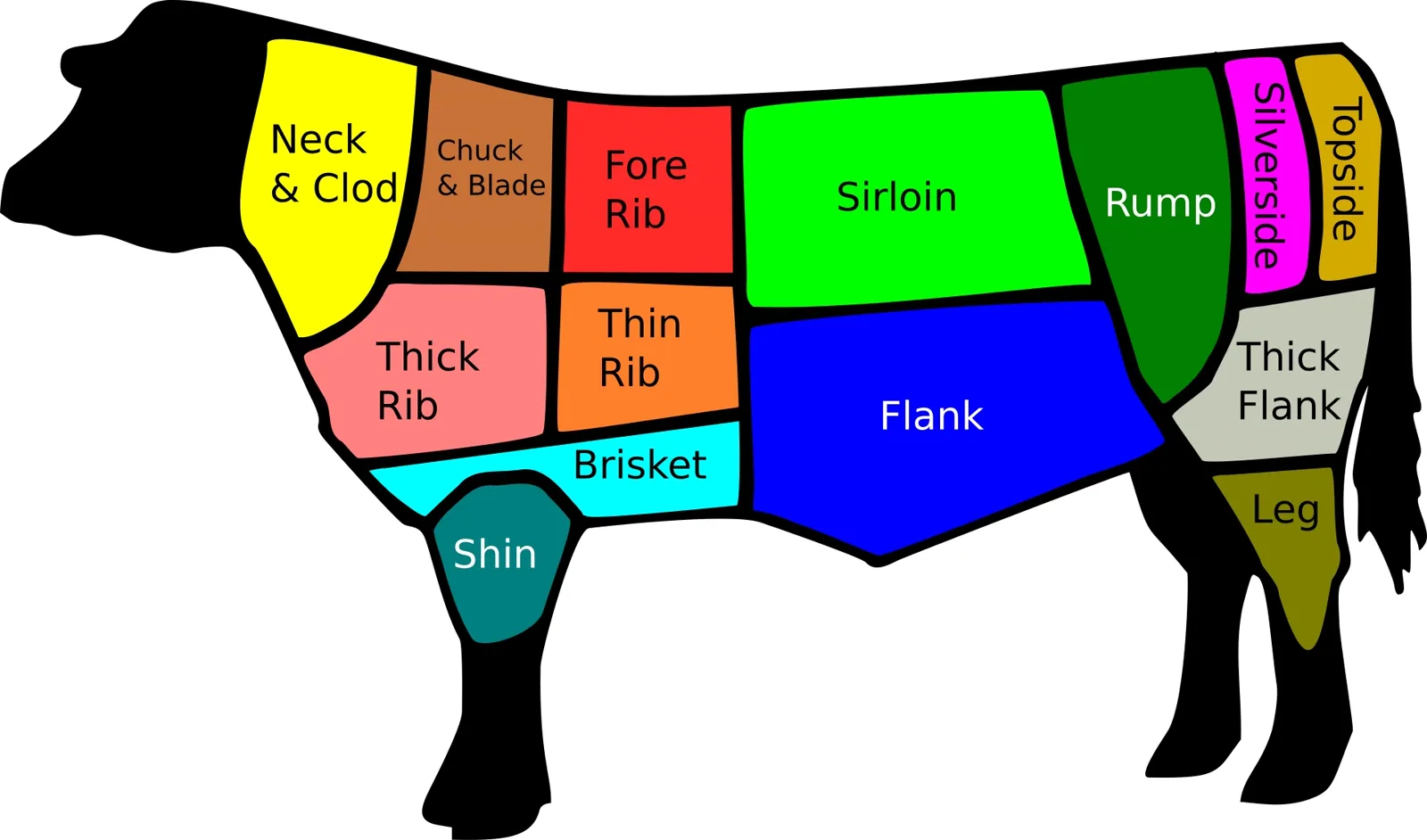
함께 실은 부위도는 영국식 이름으로 표시한 공개 도판이라 뉴질랜드 표기와 일부 다릅니다. 대략 Scotch fillet은 Fore Rib 쪽 갈비 부위, Sirloin과 T-bone은 Sirloin 구역, Eye fillet은 그 안쪽, Y-bone은 Chuck & Blade(어깨) 쪽, Rump는 이름 그대로 Rump 구역에서 나온다고 보면 위치를 잡기 쉽습니다.
마트·정육점 라벨 읽는 법
포장육 라벨에서 볼 곳은 다섯 가지입니다.
- 부위명: Scotch fillet steak, Beef rump steak처럼 적혀 있습니다.
- 무게와 kg당 가격: 총액 옆에 $/kg 단가가 있어 부위끼리 비교하기 좋습니다.
- 사육 표기: grass-fed, free range 같은 문구가 있는지 봅니다.
- 날짜: Use by 날짜를 확인하고, 캠핑처럼 바로 굽지 않을 때는 보냉 보관을 준비합니다.
- Quality Mark 스티커: 아래에서 따로 설명합니다.
Quality Mark는 Beef + Lamb New Zealand가 운영하는 품질 표시입니다. 이 표시는 뉴질랜드산일 것, 성장 호르몬(HGP) 없이 길렀을 것, 높은 동물복지 기준으로 가공했을 것, 높은 식품 안전 기준을 지켰을 것을 보증합니다. 생산부터 가공, 도매, 소매까지 단계마다 감사를 받습니다. 소매점은 판매 시점에서 고기가 충분히 연한지(tenderness)도 감사를 받습니다. recipes.co.nz도 좋은 스테이크를 고르려면 이 스티커를 찾아보라고 권합니다.
집·캠핑장에서 스테이크 굽는 순서
recipes.co.nz의 스테이크 안내를 바탕으로 한 순서입니다.
- 굽기 약 1시간 전에 냉장고에서 꺼내 둡니다.
- 소금은 굽기 최소 40분 전에 칩니다. recipes.co.nz는 이렇게 하면 겉면에 스며 나온 육즙이 구울 때 말라붙어 바삭하고 간이 밴 겉면이 생긴다고 설명합니다.
- 키친타월로 겉면 물기를 닦고, 두께가 고른 고기를 고릅니다.
- 팬이나 그릴을 충분히 달굽니다. 팬에 고기를 한꺼번에 많이 올리면 온도가 떨어지니 나눠서 굽습니다.
- 목초 사육 소고기는 빨리 익으니 일찍부터 온도계나 손 감촉으로 확인합니다.
- 불에서 내린 뒤 5~10분 쉬게(rest) 하고, 결 반대 방향으로 썹니다.
T-bone은 recipes.co.nz 기준으로 달군 팬에서 한 면에 4~6분씩 굽고, 속 온도가 약 52°C일 때 꺼내면 쉬는 동안 약 55°C까지 올라 미디엄 레어가 됩니다. 쉬는 법도 조금 다릅니다. 불에서 내린 뒤 뼈를 아래로 해서 고기를 1~2분 세워 두면 뼈 쪽까지 고르게 익고, 그다음 접시에 옮겨 느슨하게 덮은 채 10분 쉬게 합니다. 안심(eye fillet) 쪽이 더 빨리 익으니 필요하면 그쪽을 불에서 조금 떨어뜨리고, 썰 때는 뼈에서 고기를 떼어 안심과 채끝을 따로 썹니다.
집에서 곁들일 소스를 만들고 싶다면 recipes.co.nz의 스테이크 소스 모음 글을 참고하세요. chimichurri(치미추리), salsa verde(살사 베르데), 머스터드 크림, 토마토 살사와 토마토 렐리시, 허브 드레싱, 바질 페스토 등이 만드는 법과 함께 실려 있습니다.
굽기 온도: 스테이크와 로스트는 따로 보세요
같은 recipes.co.nz 안에서도 스테이크 글과 로스트 글의 온도가 다릅니다. 두 기준을 섞지 말고 요리에 맞는 쪽을 쓰세요.
| 구분 | 레어 | 미디엄 레어 | 미디엄 | 웰던 | 출처 |
|---|---|---|---|---|---|
| 스테이크 | — | 55~57°C | — | — | recipes.co.nz 미디엄 레어 스테이크 글 |
| 로스트(덩어리 고기) | 55°C | 60°C | 70°C | 75°C | recipes.co.nz 소고기 온도·시간표 |
로스트 표에서는 오븐 시간을 500g당 레어 20분, 미디엄 레어 25분, 미디엄 30분, 웰던 35분으로 잡고, 꺼낸 뒤 고기 100g당 1분씩 쉬게 하라고 안내합니다.
부위별 글인 T-bone과 sirloin 안내는 스테이크 미디엄 레어를 52~55°C로 적습니다. 불에서 내릴 때 52°C 안팎이면 쉬는 동안 55°C 안팎까지 오른다는 뜻입니다. 이처럼 출처 안에서도 몇 도씩 차이가 있으니, 온도계로 잴 때는 원하는 온도보다 조금 일찍 꺼내 쉬게 하는 것을 기준으로 삼으세요.
온도계가 없다면 recipes.co.nz의 손 감촉 기준을 참고하세요. 레어는 속이 붉고 붉은 육즙이 나옵니다. 미디엄 레어는 옅은 붉은색에 분홍 육즙이 나오고 눌렀을 때 말랑하게 튀어 오릅니다. 미디엄은 분홍색에 맑거나 분홍빛 육즙이 나오고 단단하게 튀어 오릅니다. 웰던은 속이 회색이고 육즙이 거의 없습니다.
레스토랑에서 쓰는 주문 영어
메뉴에 Scotch fillet, Eye fillet 같은 부위 이름이 보이면 위 대응표로 맞춰 보세요. 스테이크를 주문하면 보통 굽기 정도를 묻습니다.
| 상황 | 영어 | 뜻 |
|---|---|---|
| 직원 질문 | How would you like your steak cooked? | 어떻게 구워 드릴까요? |
| 직원 질문 | How would you like it done? | 굽기 정도는요? |
| 답 | Medium-rare, please. | 미디엄 레어로 주세요. |
| 굽기 단계 | Rare / Medium-rare / Medium / Medium-well / Well done | 레어부터 웰던까지 |
| 부위 묻기 | What cut is the steak? | 스테이크 부위가 뭐예요? |
| 사육 묻기 | Is the beef grass-fed? | 목초 사육 소고기인가요? |
| 소스 묻기 | What sauce does it come with? | 소스는 뭐가 나와요? |
| 소스 바꾸기 | Could I have a different sauce? | 다른 소스로 바꿀 수 있을까요? |
소스와 곁들임 이름은 식당마다 다릅니다. 참고로 recipes.co.nz의 T-bone 안내는 어울리는 소스로 herb butter(허브 버터), chimichurri, red wine jus(레드와인 소스)를, sirloin 안내는 chimichurri, salsa verde, horseradish cream(호스래디시 크림)을 꼽습니다. 곁들임으로는 roast kumara(구운 쿠마라, 뉴질랜드 고구마), garlic mash(마늘 으깬 감자), 구운 제철 채소, 샐러드를 듭니다. peppercorn(후추)이나 mushroom(버섯)처럼 재료 이름을 그대로 붙인 소스도 있으니, 모르는 이름이 보이면 위 표의 What sauce does it come with?로 물어보면 됩니다.
정육점에서 쓰는 영어
- Could I get two scotch fillets, about 2 cm thick? — 스카치 필레 두 장, 2cm 두께로 주세요.
- Can you trim the fat, please? — 기름 좀 손질해 주시겠어요?
- Which cut is good for the barbecue? — 바비큐에는 어떤 부위가 좋아요?
- Is this grass-fed? — 이거 목초 사육인가요?
정리
뉴질랜드에서 소고기를 살 때는 부위명을 먼저 보고, Quality Mark와 grass-fed 표기를 확인한 뒤, kg당 가격으로 비교하시면 됩니다. 구울 때는 곡물 사육 소고기보다 빨리 익는다는 점을 기억하고, 스테이크는 속 55~57°C 안팎에서 미디엄 레어가 된다는 기준으로 확인하세요. 식당마다 부위 표기가 다를 수 있으니, 메뉴 이름이 낯설면 What cut is the steak?라고 물어보세요.
사진 출처
- 뉴질랜드 남섬 사우스랜드 테아나우 다운스의 목초지에…: LBM1948, CC BY-SA 4.0, 원본 — 크기 조정·WebP 변환
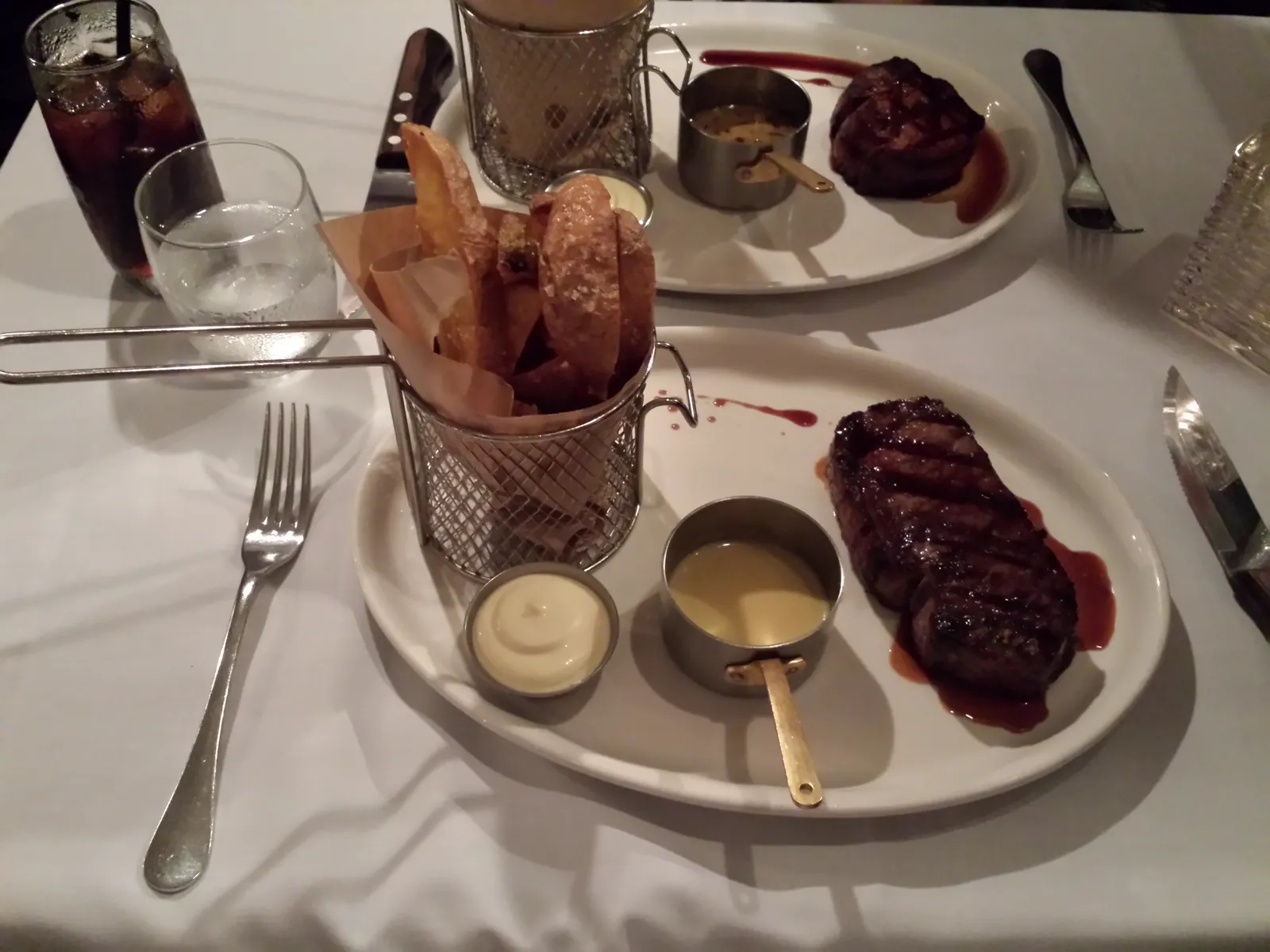
- 뉴질랜드 스테이크하우스의 스테이크와 덕팻 감자튀김,…: Misaochan, CC BY-SA 3.0, 원본 — 크기 조정·WebP 변환
Read in English
New Zealand Steak Guide: Grass-Fed Beef, Cut Names (Scotch Fillet, Eye Fillet) and How to Cook It
If you have stood at a New Zealand supermarket meat counter wondering how Scotch fillet, Eye fillet and Rump line up with the cuts you know from home, this guide is for you. It covers how New Zealand beef is raised and why that changes the way you cook it, a cut-name translation table, how to read labels and the Quality Mark, steak and roast temperatures, and the English you need at the butcher and in restaurants. Figures come from Beef + Lamb New Zealand and its recipe site recipes.co.nz, checked on 30 September 2026.
New Zealand beef is grass-fed by default
Beef + Lamb New Zealand, the industry body, describes New Zealand cattle as roaming freely on pasture. It presents New Zealand beef as grass-fed and free range, with no artificial additives or growth hormones.
What matters most at the grill is speed. According to Beef + Lamb New Zealand, grass-fed beef like New Zealand's is naturally leaner and cooks about 30% faster with most techniques. If you follow timings written for grain-fed beef, you may end up with a steak more done than you wanted, so check internal temperature or feel rather than relying on the clock.
Some shops may also sell beef labelled grain-finished. We could not confirm how common this is, so if grass-fed matters to you, check the label.
Beef cut names: a translation table
The alternative names in the table follow the cut guides on recipes.co.nz. The Korean column is a common, approximate match and does not come from those sources; butchering boundaries differ from country to country, so the cuts are not exactly the same.
| NZ name | Also called | Korean (approx.) | Notes |
|---|---|---|---|
| Scotch fillet | Rib-eye | 꽃등심·등심 area | From the rib; well marbled, the central fat bastes the meat as it cooks |
| Eye fillet | Tenderloin, fillet | 안심 | The most tender cut, lean |
| Sirloin | Striploin, New York strip (overseas), Porterhouse (especially bone-in) | 채끝 area | From the short loin just behind the ribs; thin fat cap, tender with some chew |
| Rump | Rump steak | 우둔·설도 area | Lean and full-flavoured, cheaper than sirloin, good for barbecues |
| T-bone / Porterhouse | — | 티본 | Eye fillet and sirloin on either side of the bone; porterhouse is thicker with more fillet |
| Y-bone | Bone-in blade steak | shoulder (blade) | Affordable; can be pan-fried or barbecued, but becomes especially tender with long, low cooking |
| Minute steak | — | thin steak | Thin, cooks in minutes |
A simple rule for a first shop: Scotch fillet for flavour and easy cooking, Eye fillet for tenderness, and Rump when you are feeding a group at a campsite. Y-bone (shoulder blade) is affordable and can be pan-fried or barbecued like any steak, but long, low cooking makes it especially tender. recipes.co.nz suggests trimming the edges first so the steak does not curl as it heats.
The cut chart shown with this article is a public-domain diagram using British names, so it does not match New Zealand labels exactly. Roughly, Scotch fillet comes from the Fore Rib area, sirloin and T-bone from the Sirloin section with the eye fillet underneath, Y-bone from the Chuck & Blade (shoulder), and rump from the Rump section.
Reading supermarket and butcher labels
Look for five things on a packaged steak:
- Cut name, such as Scotch fillet steak or Beef rump steak.
- Weight and price per kg, which makes comparing cuts easy.
- Farming claims, such as grass-fed or free range.
- Date: check the Use by date, and plan a chilly bin if you are not cooking straight away, for example when camping.
- Quality Mark sticker, explained below.
The Quality Mark is run by Beef + Lamb New Zealand. It guarantees that the meat is New Zealand-raised, produced without growth hormones (HGPs), processed to high animal welfare standards and handled to high food safety standards. Every stage, from production through processing and wholesale to retail, is audited, and retailers are audited for tenderness at the point of sale. recipes.co.nz also recommends looking for the sticker when buying a good steak.
Cooking steak at home or at a campsite
This sequence is based on recipes.co.nz guidance:
- Take the steak out of the fridge about an hour before cooking.
- Salt it at least 40 minutes before cooking. recipes.co.nz explains that this draws out juices that dry on the surface during cooking, giving a crisp, well-seasoned crust.
- Pat the surface dry and choose steaks of even thickness.
- Heat the pan or grill well. Do not crowd the pan, or the temperature drops; cook in batches.
- Grass-fed beef cooks quickly, so start checking early with a thermometer or by touch.
- Rest for 5 to 10 minutes off the heat, then slice across the grain.
For a T-bone, recipes.co.nz suggests 4 to 6 minutes per side in a hot pan, taking it off at about 52°C; it climbs to around 55°C while resting for medium-rare. Resting is a little different too: stand the steak up on its bone for 1 to 2 minutes so it cooks evenly through the bone, then move it to a plate and rest it, loosely covered, for 10 minutes. The eye fillet side cooks faster, so keep it slightly further from the heat if needed, and when serving, cut the meat off the bone and slice the fillet and sirloin separately.
If you want to make a sauce at home, the steak sauce collection on recipes.co.nz includes chimichurri, salsa verde, a mustard cream, tomato salsa and tomato relish, a green herb dressing and basil pesto, each with a method.
Temperatures: keep steak and roast separate
Even within recipes.co.nz, the steak article and the roast table give different numbers. Use the one that matches what you are cooking.
| Type | Rare | Medium-rare | Medium | Well done | Source |
|---|---|---|---|---|---|
| Steak | — | 55–57°C | — | — | recipes.co.nz medium-rare steak guide |
| Roast (whole joint) | 55°C | 60°C | 70°C | 75°C | recipes.co.nz beef temperatures and times |
The roast table allows 20, 25, 30 and 35 minutes per 500g for rare, medium-rare, medium and well done, and a rest of 1 minute per 100g of meat.
The cut-specific T-bone and sirloin guides give 52–55°C for a medium-rare steak: take it off around 52°C and it rises to about 55°C while resting. Because the sources differ by a few degrees, the practical rule is to take the steak off a little before your target and let resting finish the job.
Without a thermometer, use the touch guide from recipes.co.nz. Rare is red inside with red juices. Medium-rare is light red with pink juices and feels soft and springy. Medium is pink with clear to pink juices and feels firm and springy. Well done is grey inside with little or no juice.
Ordering steak in a restaurant
If the menu lists cuts like Scotch fillet or Eye fillet, use the table above to match them. When you order a steak, you will usually be asked how you want it cooked.
| Situation | English | Meaning |
|---|---|---|
| Staff asks | How would you like your steak cooked? | How should we cook it? |
| Staff asks | How would you like it done? | What doneness? |
| Reply | Medium-rare, please. | |
| Doneness levels | Rare / Medium-rare / Medium / Medium-well / Well done | |
| Asking the cut | What cut is the steak? | |
| Asking about farming | Is the beef grass-fed? | |
| Asking the sauce | What sauce does it come with? | |
| Swapping sauce | Could I have a different sauce? |
Sauce and side names vary from restaurant to restaurant. For reference, the recipes.co.nz T-bone guide pairs the cut with herb butter, chimichurri or red wine jus, and the sirloin guide suggests chimichurri, salsa verde or horseradish cream. Suggested sides include roast kumara (New Zealand sweet potato), garlic mash, grilled seasonal vegetables and salads. Some sauces are simply named after their main ingredient, such as peppercorn or mushroom; if you see a name you do not know, ask What sauce does it come with?
At the butcher
- Could I get two scotch fillets, about 2 cm thick?
- Can you trim the fat, please?
- Which cut is good for the barbecue?
- Is this grass-fed?
Summary
When buying beef in New Zealand, read the cut name first, check for the Quality Mark and a grass-fed claim, then compare price per kg. When cooking, remember it cooks faster than grain-fed beef and treat roughly 55–57°C inside as medium-rare for a steak. Cut names can vary between restaurants, so if a menu name is unfamiliar, just ask What cut is the steak?
Photo credits
- LBM1948, CC BY-SA 4.0, source — resized and converted to WebP
- Misaochan, CC BY-SA 3.0, source — resized and converted to WebP
출처
- Beef + Lamb New Zealand — NZ Beef (grass-fed, free range, cooks about 30% faster)
- Beef + Lamb New Zealand — The Quality Mark
- recipes.co.nz — How to cook the perfect medium-rare steak
- recipes.co.nz — Let's talk scotch fillet
- recipes.co.nz — From premium to affordable: how to swap to great value cuts
- recipes.co.nz — Fast cuts for midweek magic
- recipes.co.nz — How to cook T-bone steak
- recipes.co.nz — How to cook sirloin steak (other names: striploin, New York strip, porterhouse; 52–55°C medium-rare)
- recipes.co.nz — How to cook Y-bone steak
- recipes.co.nz — How to pan-fry
- recipes.co.nz — Beef temperatures and cooking times
- recipes.co.nz — Eight perfect steak sauces (home sauce recipes: chimichurri, salsa verde, mustard cream, etc.)
- Wikimedia Commons — British Beef Cuts.svg (public domain cut chart)