낚시 이야기 > 장비 사용기
낚시 종류 한눈에: 원투·루어·지깅·드론·선상, 나에게 맞는 방법은?
낚시를 처음 시작하려고 하면 원투, 루어, 지깅, 드론 낚시, 선상낚시처럼 이름부터 낯선 방식이 한꺼번에 보입니다. 이 글은 다섯 가지 방식을 장소, 장비, 비용, 난이도, 대상어 다섯 기준으로 한 표에 모아, 지금 내 상황에 맞는 방식을 고르실 수 있게 돕는 안내서입니다. 뉴질랜드에서 공통으로 알아야 할 규정(체장·마릿수, 2026년 10월 9일 시행 구명조끼 착용 의무, 드론 비행 규칙)도 함께 정리했습니다. 공식 정보 확인일은 2026년 9월 30일입니다.
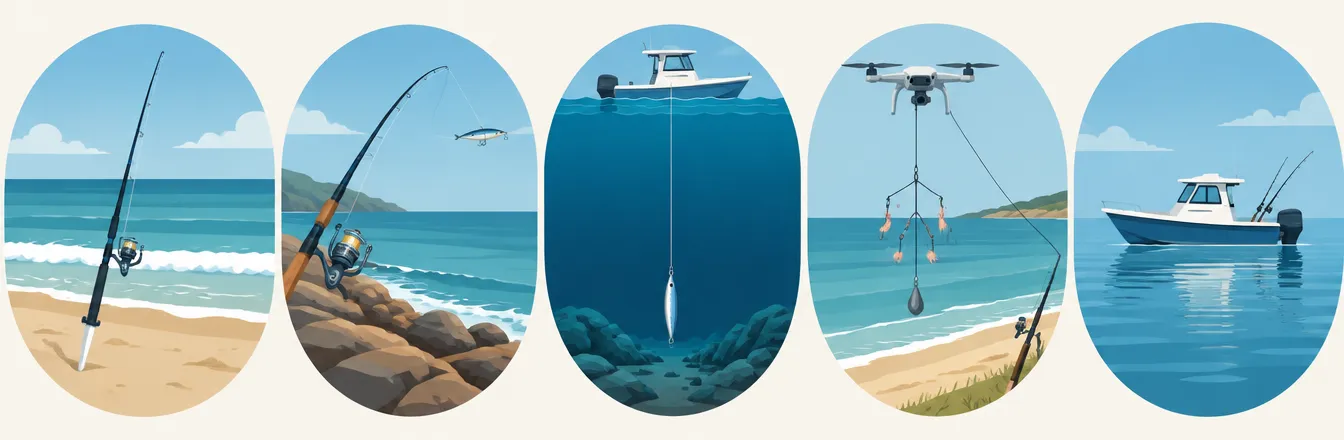
다섯 가지 방식, 한 줄로 먼저 보기
- 원투낚시(surfcasting): 해변에서 미끼를 멀리 던져 바닥에 두고 입질을 기다립니다.
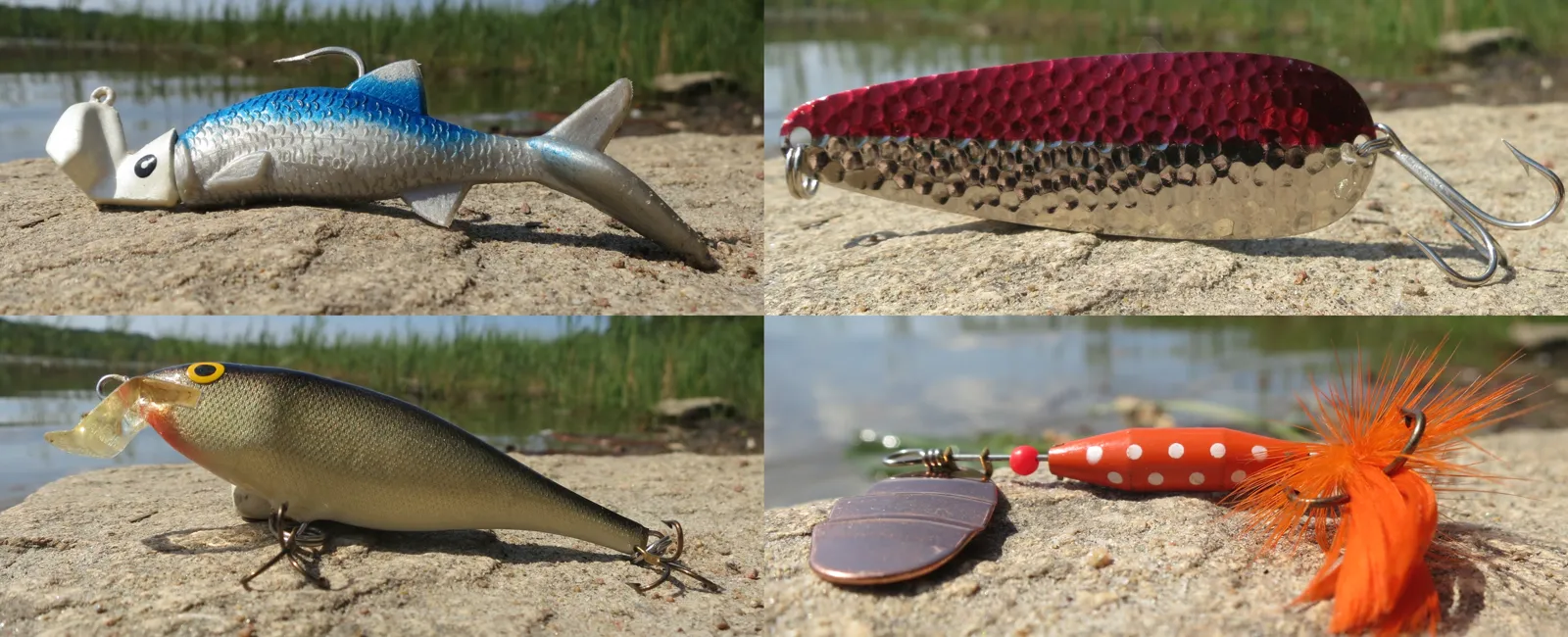
- 루어낚시(lure fishing): 먹이를 흉내 낸 인공 미끼를 던지고 감으면서 물고기를 유인합니다.
- 지깅(jigging): 무거운 금속 루어(지그)를 수직으로 내려 위아래로 움직여 바닥 근처의 고기를 노립니다.
- 드론 낚시(drone fishing): 사람이 던지는 대신 드론이 채비를 싣고 날아가 떨어뜨리고, 고기는 낚싯대와 릴로 감습니다.
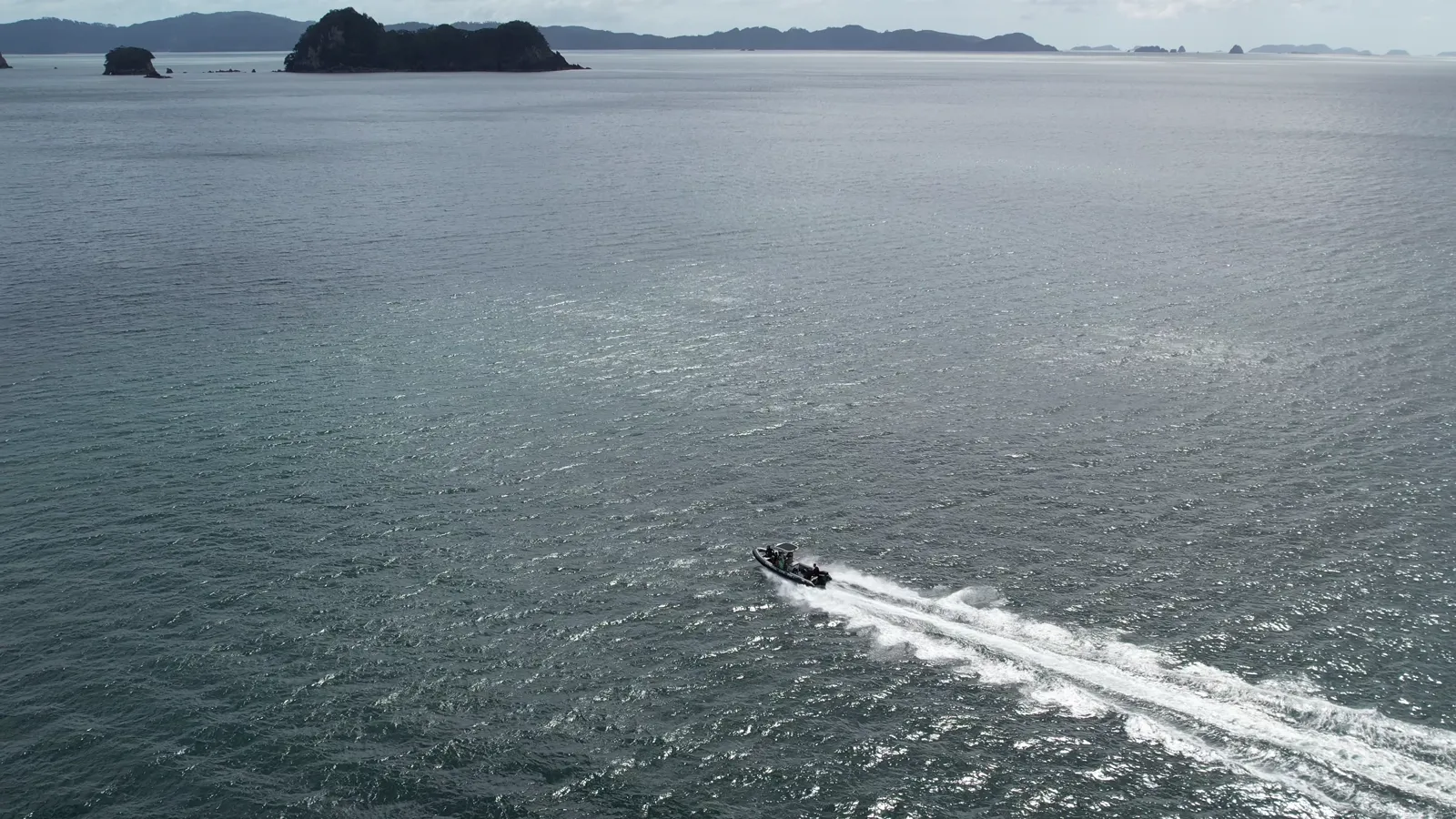
- 선상낚시(boat fishing): 보트나 낚싯배(charter boat)를 타고 나가 물 위에서 낚시합니다. 배 위에서는 미끼 낚시, 루어, 지깅을 모두 쓸 수 있습니다.
한눈에 비교표
아래 표에서 장소·장비·대상어는 출처 자료를 바탕으로 정리했고, 비용과 난이도는 입문자 기준의 편집 판단입니다. 대상어는 대표적인 예만 적었고, 같은 방식이라도 장소와 계절에 따라 달라집니다. 금액 대신 낮음·중간·높음으로만 적었으니, 실제 가격은 낚시점에서 확인해 주세요.
| 방식 | 어디서 | 기본 장비 | 비용 감 | 난이도 | 대표 대상어 |
|---|---|---|---|---|---|
| 원투 | 해변 | 13~14ft 원투대, 6000번 릴, 봉돌, 미끼 | 낮음~중간 | 쉬움 | 카와이, 참돔(snapper), 가너드 |
| 루어 | 해변·갯바위·보트·강 | 가벼운 로드, 3000~4000번 릴, 합사, 루어 | 낮음~중간 | 보통 | 카와이, 참돔, 송어(민물) |
| 지깅 | 주로 보트 | 지깅 로드, 힘이 센 릴, 메탈 지그 | 중간~높음 | 어려움(체력 필요) | 킹피시 등 |
| 드론 | 해변 | 낚시용 드론, 투하 장치, 원투 장비 | 높음 | 어려움(비행 규칙 숙지) | 참돔 등 바닥 어종 |
| 선상 | 개인 보트·낚싯배 | 방식에 따라 다름, 구명조끼 | 중간~높음(배 유무) | 보통 | 참돔, 가너드 등 |
나에게 맞는 방식 고르기
표를 봐도 고민되신다면 아래 질문 순서로 좁혀 보세요. 공식 기준이 아니라 입문자를 위한 편집 제안입니다.
- 보트가 없나요? 원투나 루어로 시작하시면 됩니다. 해변에 서서 바로 할 수 있습니다.
- 가족과 함께 가시나요? 모래 해변에서 하는 원투가 비교적 편합니다. 갯바위는 파도 위험이 있어 따로 준비가 필요합니다.
- 몸을 많이 움직이며 손맛을 느끼고 싶으신가요? 루어가 맞습니다. 바다가 부담스러우면 민물 송어 루어도 선택지입니다(민물은 면허 필요).
- 큰 고기를 노리고, 체력에 자신이 있으신가요? 보트에서 하는 지깅을 고려해 보세요. 처음이라면 장비를 빌려 주는 낚싯배를 알아보는 편이 부담이 적습니다.
- 이미 드론을 다룰 줄 아시나요? 원투로는 닿지 않는 먼 곳을 노리는 드론 낚시가 있습니다. 다만 비행 규칙을 지킬 수 있는 장소인지가 먼저입니다.
원투낚시: 보트 없이 시작하는 바다낚시
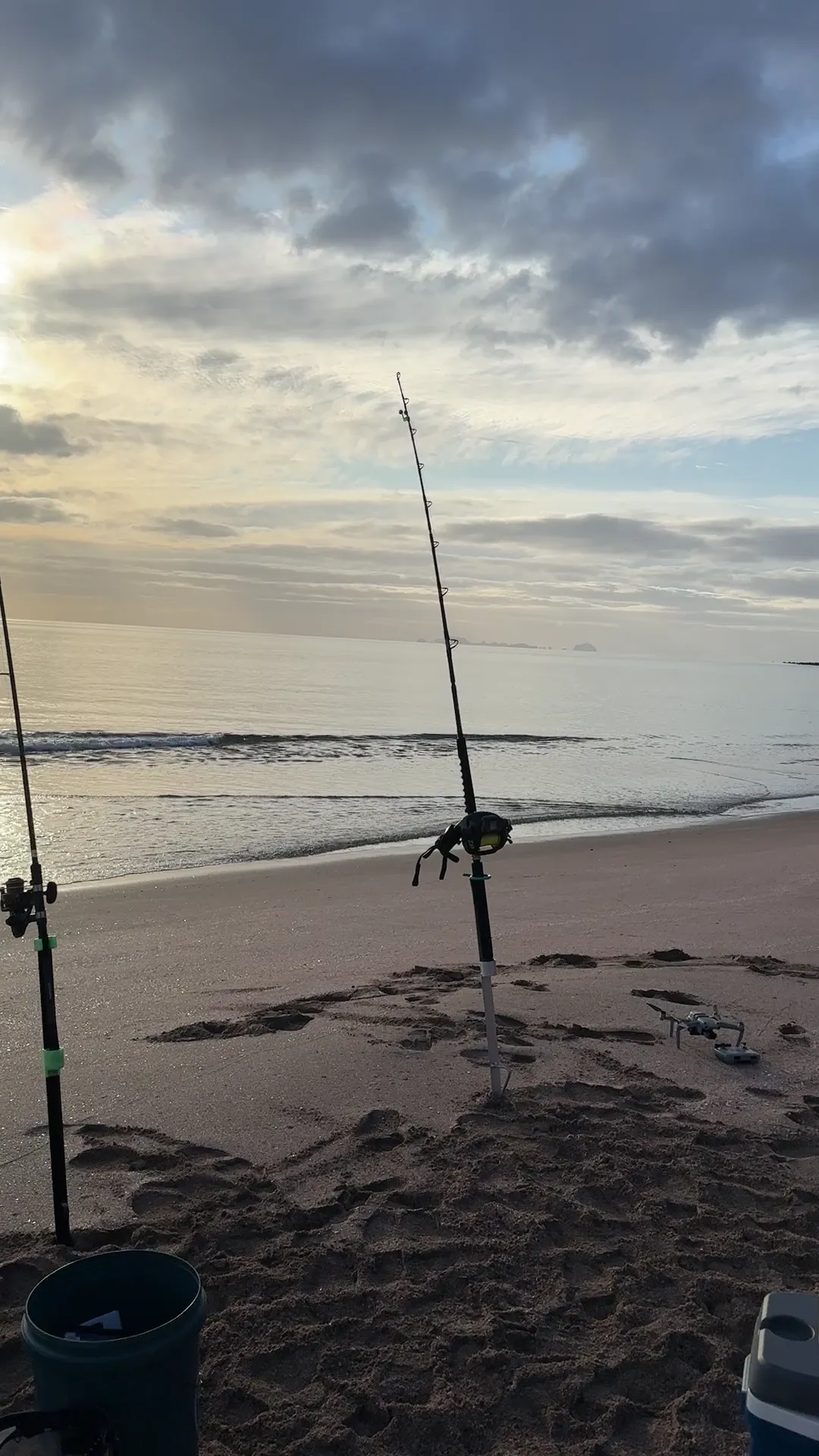
원투는 해변에서 미끼를 던져 바닥에 두고 기다리는 방식입니다. Daiwa NZ는 보트 없이 시작할 수 있어 뉴질랜드 바다낚시 입문으로 쉽다고 소개합니다. 표준 장비는 13~14ft 로드와 6000번 릴 정도이고, 대상어는 카와이, 참돔, 가너드 등입니다.
- 무조건 멀리 던지기보다 해변과 나란한 골(gutter)이나 이안류 가장자리에 정확히 던지는 편이 나을 때가 많습니다.
- 새벽, 해 질 녘, 밤이 좋은 시간대로 꼽힙니다.
- 로드를 모래에 꽂는 거치대(sand spike)가 있으면 여러 대를 편하게 세울 수 있습니다.
루어낚시: 던지고 감으며 찾아가는 낚시
루어는 작은 물고기나 새우를 흉내 낸 인공 미끼입니다. 던져서 감거나 배 뒤로 끌어서 씁니다. 바다에서는 말랑한 소프트베이트(softbait)가 인기인데, The Fishing Website는 입문 장비로 3000~4000번 릴, 10~20lb 합사, 1온스 지그헤드를 권하고 수심 18~25m가 익히기 쉽다고 설명합니다. 민물에서는 Fish & Game이 송어 스핀 낚시를 장비가 적고 익히기 쉬운 입문 방법으로 안내합니다. 단, 일부 수역은 플라이 낚시 전용이라 루어를 쓸 수 없습니다.
지깅: 수직으로 내려 바닥을 노리는 손맛 낚시
지깅은 무거운 메탈 지그를 바닥까지 내린 뒤 로드를 들어 올리고 떨어뜨리며 위아래로 움직이는 방식입니다. 대부분 바닥이나 바닥 근처에서 입질이 옵니다. 뉴질랜드 매체에서는 빠르게 감아 올리는 스피드 지깅과 반 바퀴씩 리듬 있게 감는 메카니컬 지깅을 소개하며, 킹피시를 노릴 때는 24~30kg 합사를 250m 이상 감을 수 있는 릴을 예로 듭니다. 체력이 꽤 들고 대부분 보트에서 하므로, 뒤에 나오는 선상 안전 규칙을 함께 챙기셔야 합니다.
드론 낚시: 멀리 보내되 규칙 안에서
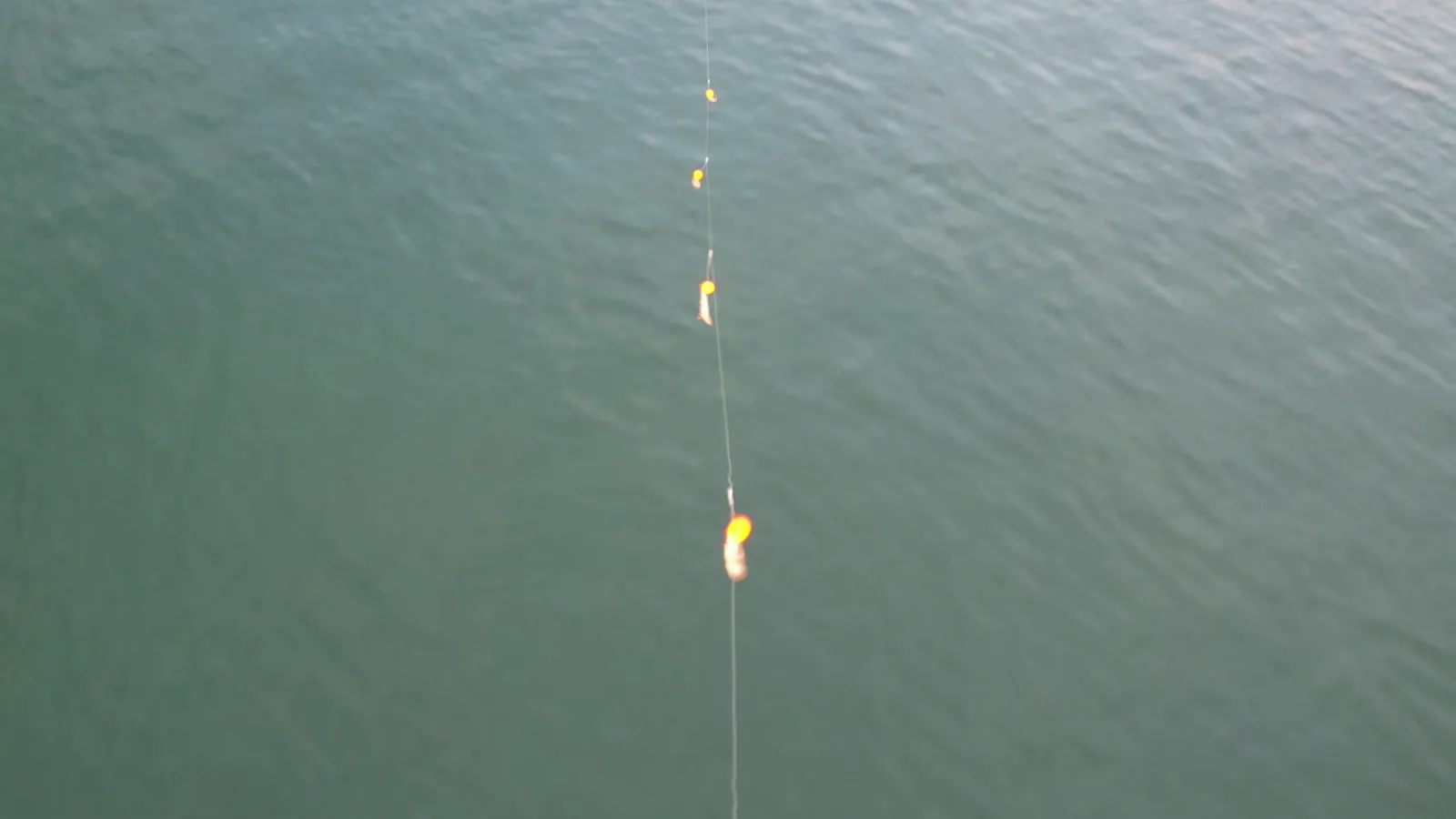
드론 낚시는 원투 캐스팅을 드론이 대신하는 방식입니다. 드론이 채비를 매달고 날아가 원하는 지점에서 떨어뜨리면, 고기는 평소처럼 낚싯대와 릴로 감아 올립니다. 빠도미 채널에서 설명해 온 장점은 사람이 던지는 것보다 먼 곳에 채비를 놓을 수 있고, 바늘을 여러 개 달 수 있으며, 던질 때 미끼가 덜 떨어진다는 점입니다. 다만 얼마나 멀리 보낼 수 있는지는 기체 크기와 시야에 따라 달라지며, 언제나 눈으로 기체가 보이는 범위까지만입니다. 대신 드론 값이 들고, 짐이 늘고, 배터리 시간이 정해져 있으며, 줄이 프로펠러에 감기면 추락할 수 있습니다.
뉴질랜드에서 드론은 민간항공국(CAA)의 Part 101 규칙을 따릅니다. 2026년 6월 개정 안내서와 Part 101 규칙 원문을 기준으로 핵심은 다음과 같습니다.
- 항상 내 눈으로 기체를 볼 수 있어야 합니다. 안개나 구름 속으로 보내지 않습니다.
- 지면에서 120m(400ft) 이하로 날립니다.
- 비행장 4km 안에서는 비행장 운영자 승인과 공인 조종 자격 등 요건을 모두 갖춘 경우에만 날립니다.
- 사람 위, 사유지 위(집, 농장, 보트, 차량 포함)는 동의를 받아야 합니다. 공원이나 일부 해변, 보호 구역 같은 공공 부지는 지자체나 자연보호부(DOC)의 동의가 필요할 수 있습니다.
- 다른 사람이나 재산에 위험이 되는 물체 투하는 금지입니다(Part 101.15). 드론 낚시에서는 채비를 떨어뜨리는 것이 바로 투하이므로, 사람·보트·수영하는 사람이 없는 물 위에만 떨어뜨립니다.
- 해변에는 산책하거나 물놀이하는 사람이 많습니다. 이륙하고 돌아오는 경로가 사람 위를 지나지 않게 자리를 잡으세요.
- 야간 비행은 원칙적으로 금지입니다. 고시(transport instrument)가 정한 조건을 갖춘 경우만 예외이므로(Part 101.211), 원투에서 밤이 좋은 시간대로 꼽히더라도 드론은 낮에 날린다고 생각하시는 편이 맞습니다.
이 글은 규칙을 벗어나는 비행을 권하지 않습니다. 기체가 눈에서 사라질 만큼 멀리 보내야 하는 자리라면 거리를 줄이시거나 원투로 바꾸시는 편이 맞습니다. 비행 가능 구역은 Airshare 지도에서 확인하실 수 있습니다.
선상낚시: 배를 타면 선택지가 넓어집니다
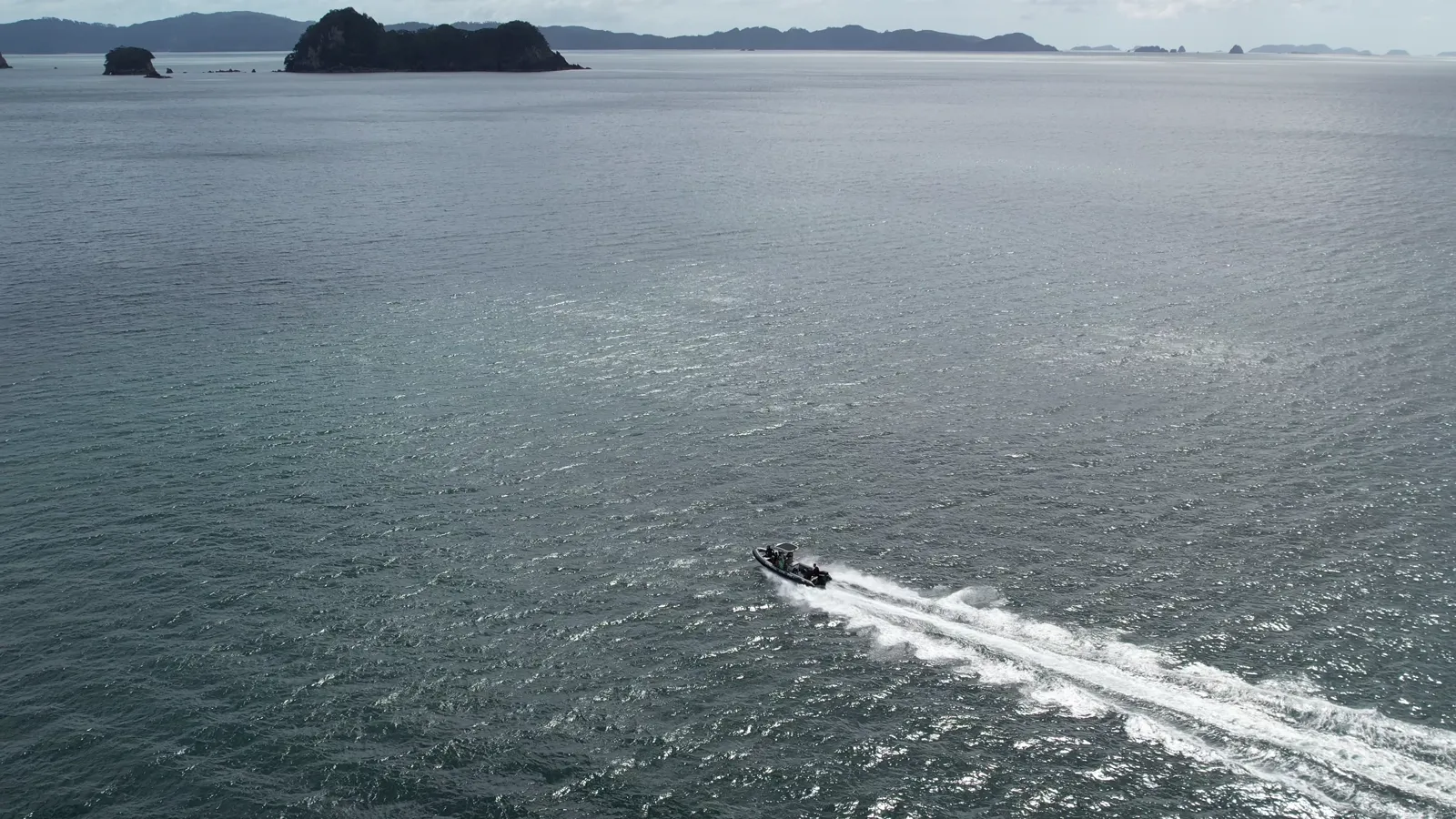
배를 타면 해변에서 닿지 않는 수심과 암초를 노릴 수 있고, 미끼 낚시·소프트베이트·지깅을 상황에 맞게 고를 수 있습니다. 소프트베이트를 할 때는 씨앵커(sea anchor)로 배가 흘러가는 속도를 늦추고, 흘러가는 방향 앞쪽으로 던져 떨어지는 루어에 입질을 받는 방법이 소개됩니다. 개인 보트가 없다면 장비와 안내를 함께 제공하는 낚싯배(charter)를 이용하는 방법도 있습니다.
배에서 롱라인이나 콘티키 같은 셋라인(set line)을 쓴다면, MPI 규정상 1인 1개·바늘 25개 이하이고 한 배에서 여러 명이 써도 2개까지입니다. 부표에는 이니셜과 성을 적어야 합니다.
꼭 알아야 할 뉴질랜드 공통 규정
1) 면허: 바다낚시는 면허가 필요 없습니다. 강·호수에서 하는 민물낚시는 Fish & Game 면허가 필요합니다.
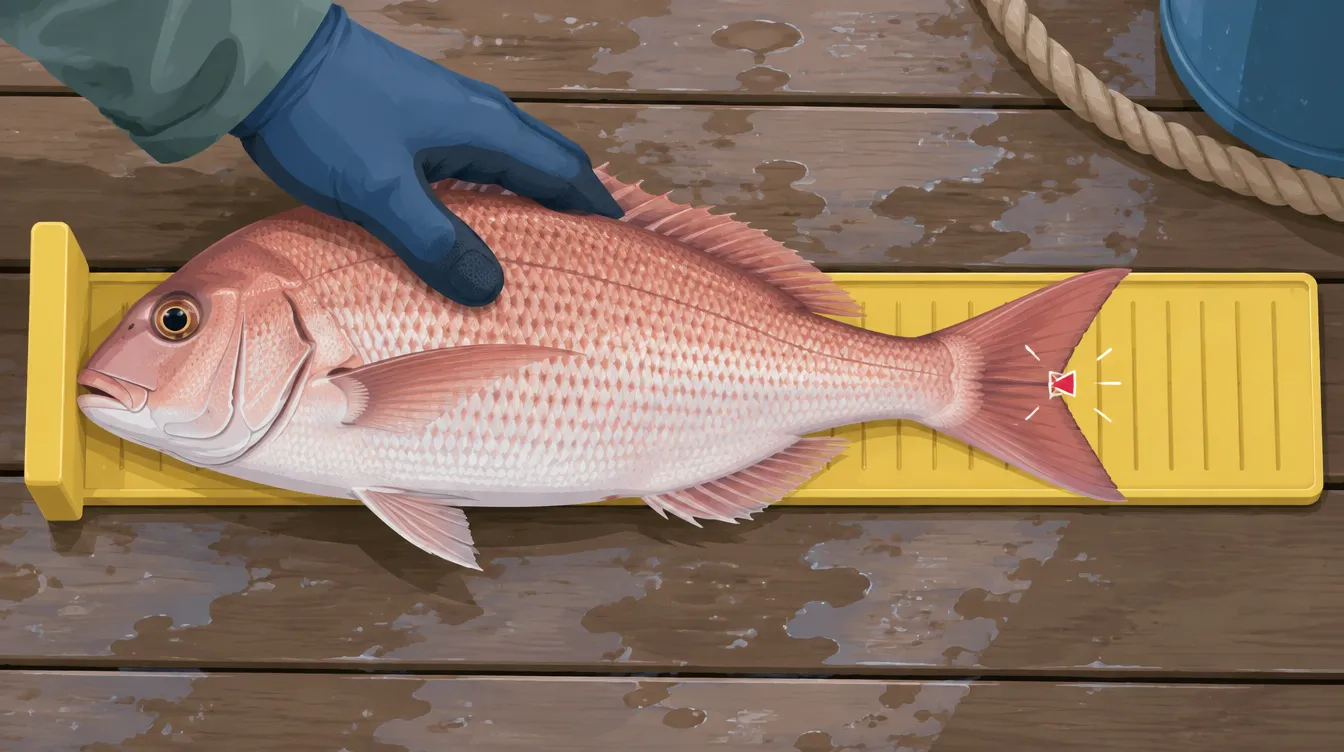
2) 체장·마릿수: 바다 규정은 수역마다 다릅니다. 최소 체장, 1인 1일 마릿수, 금지 구역, 장비 제한이 지역별로 정해져 있고 자주 바뀝니다. 예를 들어 오클랜드 동쪽 해역의 참돔은 1인 1일 7마리, 30cm 이상이 기준으로 안내되어 있지만, 같은 참돔이라도 수역이 다르면 기준이 다를 수 있습니다. 가실 때마다 무료 NZ Fishing Rules 앱이나 MPI 낚시 규정 페이지(앱 안내 포함)에서 그날 갈 지역을 확인하세요. 잡은 고기를 파는 것은 항상 불법이고, 해양보호구역(marine reserve)에서는 어떤 낚시도 할 수 없습니다.
3) 구명조끼: 2026년 10월 9일(금)부터 길이 6m 이하 레저용 선박에서는 운항 중 탑승자 전원이 구명조끼를 입어야 합니다. 보트뿐 아니라 카약, 패들보드, 제트스키도 포함됩니다. 운항 중(underway)은 닻을 내렸거나, 육지나 부두에 묶였거나, 좌초한 상태가 아닌 모든 때를 뜻하며, 엔진을 끄고 떠다니는 중에도 해당합니다. 크기와 관계없이 모든 레저 선박에 탑승 인원만큼 구명조끼를 실어야 한다는 기존 규정도 그대로입니다. 세부 예외는 Coastguard 구명조끼 안내와 Maritime NZ 안내를 확인하세요.
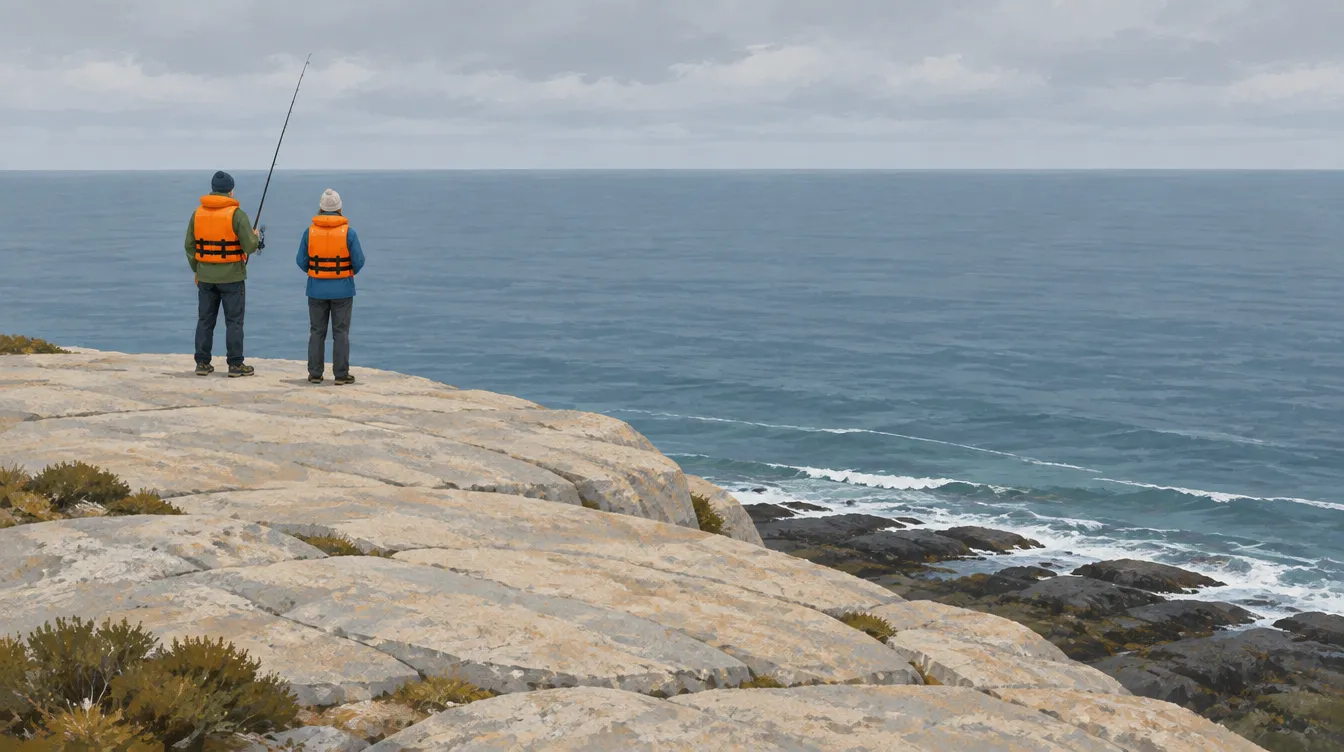
4) 해변·갯바위 안전: Water Safety NZ는 구명조끼 착용, 휴대폰과 VHF 무전기처럼 연락 수단 두 가지 이상 챙기기, 출발 전 해상 예보 확인, 혼자 가지 않기를 권합니다. 갯바위에서는 최소 10분 동안 파도를 먼저 지켜보고, 바다에 등을 돌리지 말라고 안내합니다.
현장에서 쓰는 영어 표현
| 상황 | 영어 표현 |
|---|---|
| 방식 이름 | surfcasting, softbaiting, jigging, trolling, drone fishing |
| 낚싯배 예약 | "Do you have a charter with gear included?" |
| 면허 확인 | "Do I need a licence to fish here?" |
| 규정 확인 | "What's the minimum size for snapper here?" |
| 구명조끼 | lifejacket, "Do you have lifejackets for everyone?" |
다음 단계
방식을 고르셨다면 그 방식의 장비와 순서를 따로 익히시면 됩니다. 원투, 루어, 지깅, 드론 낚시, 선상 안전을 각각 자세히 다룬 입문 글은 따로 준비 중입니다. 그 전까지는 이 표를 기준으로 "보트가 있는지, 드론을 날릴 수 있는 장소인지, 몸을 얼마나 쓰고 싶은지"부터 정해 보시길 권합니다.
Read in English
Types of Fishing at a Glance: Surfcasting, Lures, Jigging, Drones and Boats — Which Suits You?
If you are new to fishing, the list of styles can feel like a wall of jargon: surfcasting, lure fishing, jigging, drone fishing, boat fishing. This guide puts all five side by side on where you fish, what gear you need, rough cost, difficulty and target species, so you can pick the one that suits your situation. It also covers the rules that apply across New Zealand: size and bag limits, the new lifejacket law from 9 October 2026, and drone flying rules. Official information was checked on 30 September 2026.
The five styles in one line each
- Surfcasting: cast a baited rig from the beach, let it sit on the bottom and wait for a bite.
- Lure fishing: cast and retrieve an artificial lure that imitates prey.
- Jigging: drop a heavy metal jig straight down and work it up and down near the bottom.
- Drone fishing: a drone carries the rig out and drops it; you still fight the fish on rod and reel.
- Boat fishing: head out in your own boat or on a charter. From a boat you can bait fish, softbait or jig.
Comparison table
Location, gear and species come from the sources listed below. Cost and difficulty are our editorial judgement for beginners, species are only typical examples that vary by place and season, shown as low/medium/high rather than prices, so check actual prices at a tackle shop.
| Style | Where | Basic gear | Cost | Difficulty | Typical species |
|---|---|---|---|---|---|
| Surfcasting | Beach | 13–14 ft surf rod, 6000-size reel, sinkers, bait | Low–medium | Easy | Kahawai, snapper, gurnard |
| Lure | Beach, rocks, boat, river | Light rod, 3000–4000 reel, braid, lures | Low–medium | Moderate | Kahawai, snapper, trout (freshwater) |
| Jigging | Mostly boat | Jig rod, powerful reel, metal jigs | Medium–high | Hard (physical) | Kingfish and others |
| Drone | Beach | Fishing drone, release clip, surfcasting gear | High | Hard (must know flight rules) | Snapper and other bottom species |
| Boat | Own boat or charter | Depends on method, lifejackets | Medium–high (boat or not) | Moderate | Snapper, gurnard and more |
Which one suits you?
If the table has not settled it, work through these questions. This is an editorial suggestion, not an official standard.
- No boat? Start with surfcasting or lure fishing. You can do both standing on the beach.
- Going with family? Surfcasting from a sandy beach is usually the easiest. Rocks carry wave risk and need extra preparation.
- Want to stay active? Lure fishing suits you. If the sea feels like too much, freshwater trout spinning is an option (a licence is required).
- After big fish and fit enough? Consider jigging from a boat. For a first try, a charter that supplies gear keeps the cost down.
- Already a confident drone pilot? Drone fishing reaches water that casting cannot. The first question is whether you can fly within the rules at that spot.
Surfcasting: sea fishing without a boat
Surfcasting means casting bait from the beach and letting it sit on the bottom. Daiwa NZ describes it as an easy entry point to sea fishing in New Zealand because you don't need a boat. Standard gear is a 13–14 ft rod with a 6000-size reel, and common targets are kahawai, snapper and gurnard.
- Accurate casts into gutters running parallel to the beach, or along the edge of a rip, often beat simply casting as far as possible.
- Dawn, dusk and night are regarded as the best times.
- A sand spike lets you stand several rods up comfortably.
Lure fishing: cast, retrieve, find the fish
A lure is an artificial bait that imitates a small fish or prawn. You cast and retrieve it, or troll it behind a boat. At sea, softbaits are popular. The Fishing Website suggests a 3000–4000 reel, 10–20 lb braid and a 1 oz jig head for beginners, and says 18–25 m of water is the easiest place to learn. In freshwater, Fish & Game recommends trout spin fishing as a simple, low-gear way to start. Note that some waters are fly-only, so lures aren't allowed there.
Jigging: straight down for bottom fish
Jigging means dropping a heavy metal jig to the bottom, then lifting and dropping the rod to work it up and down. Most strikes come on or near the bottom. New Zealand fishing media describe speed jigging (fast retrieves) and mechanical jigging (rhythmic half-turns), and for kingfish give the example of a reel holding at least 250 m of 24–30 kg braid. It is physically demanding and mostly done from boats, so the boating safety rules below apply.
Drone fishing: go further, stay within the rules
Drone fishing replaces the cast with a drone. The drone flies the rig out and drops it where you want, and then you wind the fish in on rod and reel as usual. The benefits explained on the bbadomi channel are placing the rig further out than you could cast, carrying multiple hooks, and keeping bait on the hook. How far you can go depends on the drone and on visibility, and it is always only as far as you can still see the drone with your own eyes. The trade-offs are the cost of the drone, extra gear, limited battery time, and the risk of a crash if line wraps around a propeller.
In New Zealand, drones fall under the Civil Aviation Authority's Part 101 rules. Key points from the CAA brochure revised in June 2026 and the Part 101 rule text:
- You must always be able to see the drone with your own eyes. Don't fly into fog or cloud.
- Stay at or below 120 m (400 ft) above the ground.
- Within 4 km of an aerodrome, fly only if you meet all requirements, including aerodrome operator authorisation and an approved pilot qualification.
- You need consent to fly over people and over private property, including houses, farms, boats and vehicles. Public land such as parks, some beaches and conservation land may need consent from the local council or the Department of Conservation.
- Do not drop any object if it creates a hazard to other people or property (Part 101.15). Releasing the rig is a drop, so only release it over water clear of people, boats and swimmers.
- Beaches are busy with walkers and swimmers. Set up so your take-off and return path does not cross over people.
- Night flying is not allowed unless you meet the conditions set in a transport instrument (Part 101.211). Even though night is a good time for surfcasting, plan to fly your drone in daylight.
This guide does not encourage flying outside the rules. If a spot would require flying the drone out of sight, shorten the distance or switch to surfcasting. You can check where you can fly on the Airshare map.
Boat fishing: more options once you're on the water
A boat lets you reach depths and reefs you can't reach from shore, and lets you choose between bait, softbaits and jigs. When softbaiting, a sea anchor slows your drift and you cast ahead of the drift so the lure is taken as it sinks. If you don't own a boat, a charter that supplies gear and guidance is another option.
If you use a set line such as a longline or kontiki from a boat, MPI rules allow one per person with no more than 25 hooks, and no more than two per boat regardless of how many people are aboard. The float must be marked with your initials and surname.
New Zealand rules everyone should know
1) Licences: No licence is needed for sea fishing. Freshwater fishing in rivers and lakes requires a Fish & Game licence.
2) Size and bag limits: Sea fishing rules differ by area. Minimum sizes, daily bag limits, closed areas and gear restrictions are set region by region and change often. For example, snapper in the Auckland East area is listed at 7 per person per day with a 30 cm minimum, but the limits for the same species can differ elsewhere. Check the free NZ Fishing Rules app or the MPI fishing rules page (which links to the app) for the area you are fishing each time. Selling your catch is always illegal, and no fishing of any kind is allowed in marine reserves.
3) Lifejackets: From Friday 9 October 2026, everyone on a recreational craft 6 m or under must wear a lifejacket while it is underway. This covers boats, kayaks, paddleboards and jet skis. Underway means any time the craft is not at anchor, tied up to a wharf or shore, or aground, including drifting with the engine off. The existing rule that every recreational vessel, whatever its size, must carry a lifejacket for each person aboard still applies. Check the Coastguard lifejacket guide and Maritime NZ for exemptions.
4) Beach and rock safety: Water Safety NZ advises wearing a lifejacket, carrying at least two ways to call for help, such as a mobile phone and a VHF radio, checking the marine forecast before you go and never fishing alone. On rocks, watch the waves for at least 10 minutes first and never turn your back on the sea.
Useful English on the spot
| Situation | Phrase |
|---|---|
| Style names | surfcasting, softbaiting, jigging, trolling, drone fishing |
| Booking a charter | "Do you have a charter with gear included?" |
| Licence | "Do I need a licence to fish here?" |
| Rules | "What's the minimum size for snapper here?" |
| Lifejackets | "Do you have lifejackets for everyone?" |
Next steps
Once you have chosen a style, the next step is learning its gear and routine. Detailed beginner guides to surfcasting, lure fishing, jigging, drone fishing and boat safety are in preparation. Until then, use this table to answer three questions first: do you have a boat, can you legally fly a drone at your spot, and how physical do you want your fishing to be?
출처
- MPI — Fishing rules (바다낚시 면허 불필요, 수역별 규정, NZ Fishing Rules 앱, 판매 금지)
- MPI — Auckland and Kermadec fishing rules (참돔 SNA1 7마리·30cm)
- MPI — Rules for fishing gear, methods and measuring (셋라인 1인 1개·바늘 25개·배당 2개, 부표 표시)
- DOC — Marine reserves (해양보호구역 낚시 금지)
- Fish & Game NZ — Fishing licences and regulations (민물 면허, 보트 낚시 방법)
- Fish & Game NZ — Spin fishing how-to (송어 스핀 낚시 입문, 플라이 전용 수역)
- Maritime NZ — Lifejackets (2026-10-09부터 6m 이하 레저 선박 운항 중 착용 의무)
- Coastguard NZ — Lifejacket changes (시행일, 대상 선박, underway 정의, 예외)
- Yachting NZ — New lifejacket law passed for recreational boats under 6 metres
- Coastguard NZ — Safety on the water (연락 수단, 해상 예보)
- Water Safety NZ — How to stay safe while fishing (구명조끼, 휴대폰·VHF 등 연락 수단 2가지, 갯바위 10분 관찰)
- CAA NZ — Flying your drone safely (2026년 6월 개정: 육안 가시권, 120m, 비행장 4km, 사람·재산 위 동의, Airshare)
- CAA NZ — Civil Aviation Rules Part 101 (규칙 페이지)
- CAA NZ — Part 101 통합본 원문 PDF (22 December 2025): 101.15 물체 투하 금지(사람·재산 위험 시), 101.211 야간 운용 제한
- Airshare — 드론 비행 구역 지도·관제공역 승인 신청
- Daiwa NZ — Surfcasting in New Zealand: a beginner's guide (13~14ft 로드, 6000번 릴, 골·이안류, 시간대)
- The Fishing Website — Softbaiting for beginners (3000~4000번 릴, 합사 10~20lb, 1온스 지그헤드, 씨앵커)
- The Fishing Website — A guide to jigging (스피드·메카니컬 지깅, 킹피시용 릴 예시)
- Wikipedia — Fishing lure (루어 정의)
- Wikipedia — Jigging (지깅 정의)
- 빠도미 YouTube 채널 — 드론 낚시 원리·장단점 (drone/episodes/ep01_drone_fishing_intro/factsheet.md, 영상 -DmlPexy9qQ @02:35, Mm5-4ERMmL0 @00:52)