낚시 이야기 > 장비 사용기
갯바위·방파제 낚시 안전 수칙: 뉴질랜드 공식 5대 수칙과 구명조끼·조석·111 신고법
뉴질랜드에서 갯바위나 방파제 낚시를 계획하신다면 채비보다 먼저 챙길 것이 안전입니다. 이 글에서는 Surf Life Saving NZ, Water Safety New Zealand, Drowning Prevention Auckland(DPA)가 함께 안내하는 갯바위 낚시 5대 수칙, 구명조끼 종류와 올바른 착용법, 출발 전 파도와 조석 확인법(MetService·LINZ), 미끄럼 방지 신발과 동행 원칙, 그리고 사고가 났을 때 111과 Coastguard *500을 쓰는 법을 한 번에 정리합니다. 한국에서 오신 분들이 헷갈리기 쉬운 신고 번호와 짧은 영어 표현도 함께 담았습니다. 공식 자료 확인일은 2026년 9월 30일입니다.
왜 갯바위 낚시가 위험한가요
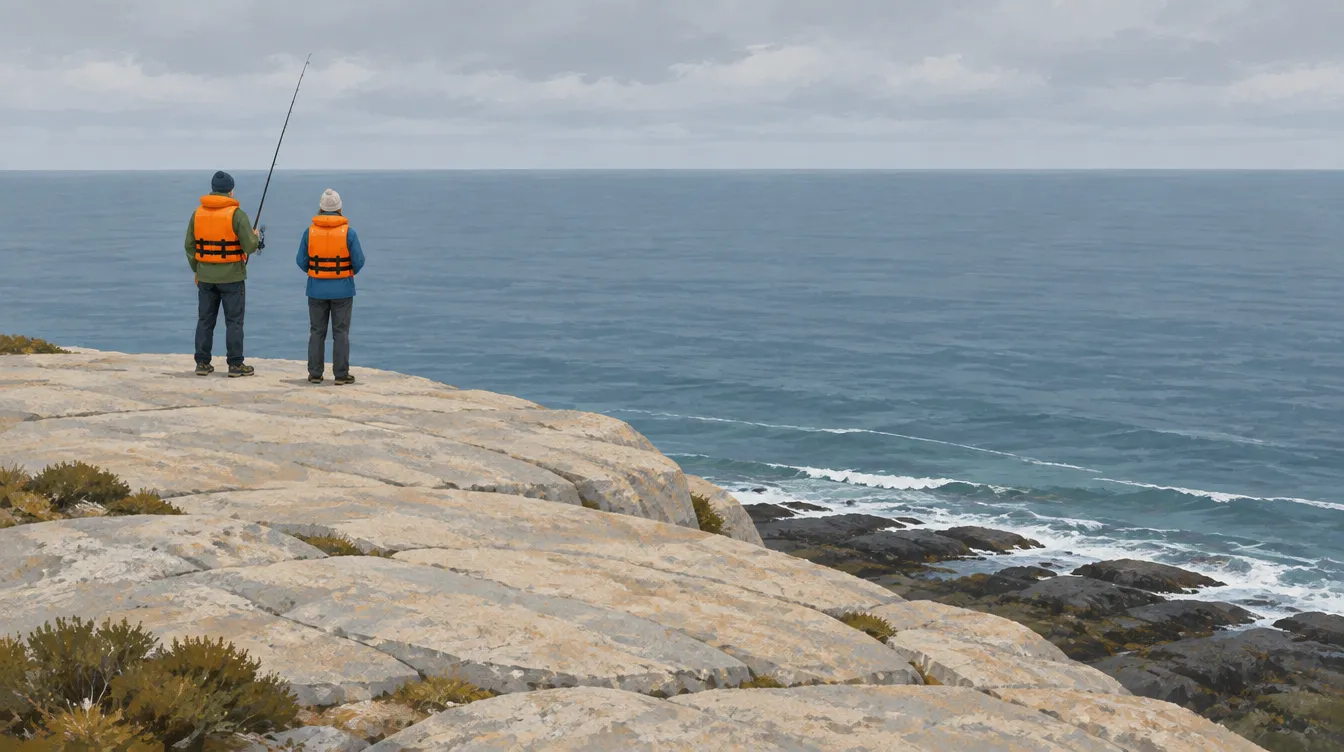
Surf Life Saving NZ는 갯바위 낚시를 지난 몇 년간 연안 익사 사망에서 가장 위험도가 높은 활동으로 꼽습니다. DPA도 갯바위 낚시를 뉴질랜드에서 가장 위험한 여가 활동 중 하나로 소개합니다. 2005년 말 오클랜드 서해안에서 낚시인 5명이 숨진 뒤, DPA는 '서해안 갯바위 낚시 안전 프로젝트'를 시작해 지금까지 이어 오고 있습니다.
Water Safety NZ는 뉴질랜드의 변덕스러운 날씨, 강한 조류, 차가운 수온, 조석 조건(tidal conditions) 때문에 방문객은 물론 현지인도 위험을 과소평가하기 쉽다고 설명합니다. 갯바위는 평소 잔잔해 보여도 몇 번에 한 번씩 훨씬 큰 파도가 밀려와 발밑까지 덮칠 수 있습니다. 한 번 물에 빠지면 바위에 부딪히고 차가운 물에 체온을 빼앗기기 쉬워 스스로 올라오기가 어렵습니다.
공식 5대 수칙 한눈에 보기
뉴질랜드의 수상안전 코드(Water Safety Code)는 다섯 가지 원칙으로 이루어져 있고, Surf Life Saving NZ와 DPA는 이를 갯바위 낚시에 맞게 풀어서 안내합니다.
| 수칙(영문) | 갯바위 낚시에서의 의미 |
|---|---|
| ① Know how to float (뜨는 법을 안다) | 물에 뜰 줄 알 때만 갯바위에 갑니다. 구명조끼를 입고, 구명환이나 빈 양동이처럼 던질 수 있는 부력 도구를 챙깁니다. |
| ② Find the safest place (가장 안전한 곳을 고른다) | 조석, 너울, 날씨, 현장 위험을 확인합니다. 항상 바다를 바라보고 큰 파도를 경계합니다. |
| ③ If in doubt, stay out (애매하면 들어가지 않는다) | 날씨나 파도가 조금이라도 불안하면 그날은 쉬고 다른 날을 기다립니다. |
| ④ Take care of yourself and others (나와 남을 챙긴다) | 혼자 가지 않습니다. 가볍고 따뜻한 옷, 구명조끼, 미끄럼 방지 신발을 갖춥니다. |
| ⑤ Know how to get help (도움 요청법을 안다) | 휴대폰을 챙기고, 응급 상황에서는 111에 전화해 Police를 찾습니다. |
구명조끼: 갖고 가는 것이 아니라 입는 것
Water Safety NZ는 구명조끼를 "가지고 있는 것"만으로는 부족하고 반드시 "입고 있어야" 한다고 강조합니다. 물에 빠진 뒤에는 구명조끼를 입기가 매우 어렵거나 불가능하기 때문입니다.
착용률은 조금씩 나아지고 있습니다. DPA가 2026년 오클랜드 서해안 19개 갯바위 지점에서 진행한 관찰 조사(457명 관찰, 이 중 낚시인 378명)에 따르면, 구명조끼나 부력 장비를 착용한 비율은 51%로 2025년 조사의 29%보다 올랐습니다. 혼자 낚시하는 비율도 21%에서 12%로 줄었습니다. 하지만 같은 조사에서 27%는 위험한 조건에서 낚시했고, 32%는 다른 위험 행동을 보였습니다. 아직 절반 가까이는 구명조끼 없이 갯바위에 선다는 뜻입니다. 참고로 Water Safety NZ는 2024년 보트 등 수상 기구 관련 익사자의 90%가 구명조끼를 입지 않았다고 밝혔는데, 이 수치는 갯바위가 아니라 수상 기구 사고 통계입니다.
Water Safety NZ가 안내하는 구명조끼 종류는 다음과 같습니다.
| 종류 | 공식 안내(Water Safety NZ) | 갯바위 낚시에서 |
|---|---|---|
| 팽창식(Type 401, 150N) | 먼 바다, 거친 날씨, 해안에서 멀리 나갈 때를 위한 제품입니다. 자동식과 수동식이 있는데, 수동식은 의식이 있어야 끈을 당길 수 있습니다. 가랑이끈이 필수이고 매년 점검해야 합니다. 15세 미만에게는 맞지 않고, 물에 익숙한 사람이 써야 합니다. | 물에 익숙한 성인이 매년 점검한 제품을 쓸 때 |
| 칼라형 폼(Type 402, 71N 이상) | 폼이 들어 있어 입으면 바로 뜨고, 따로 작동할 필요가 없어 물에 자신 없는 사람에게도 좋습니다. 관리가 필요 없고 따뜻해 종일 낚시에 좋다고 안내합니다. 쓰는 곳은 잔잔한 항만·호수·보호된 연안이며 먼 바다용은 아닙니다. | 물에 자신이 없는 분, 갯바위 입문자 |
| 부력 조끼(Type 403, 53N) | 부력이 53N으로 402보다 낮고 머리 지지가 없습니다. 의식을 잃으면 얼굴을 위로 돌려 주지 못하며, 공식 안내는 응급 상황에는 적합하지 않다고 설명합니다. 수상스키·카약 같은 수상 스포츠용입니다. | 갯바위 낚시에는 권하지 않음 |
401~406은 뉴질랜드 표준 NZS 5823이 정한 구명조끼 유형 번호입니다. Maritime NZ에 따르면 이 표준이나 Maritime NZ가 인정한 국제 표준을 충족한 제품이면 됩니다.
입을 때는 몸에 딱 맞게 고르고, 버클과 지퍼를 모두 잠근 뒤 끈을 조입니다. 가랑이끈이 있으면 꼭 채우세요. 구명조끼가 없다면 DPA가 운영하는 구명조끼 대여(Borrow a lifejacket) 안내와 갯바위 낚시 온라인 교육(e-Learning)을 확인해 보세요. 대여 장소와 방법은 바뀔 수 있으니 방문 전 DPA 공식 사이트에서 확인하시기 바랍니다.
출발 전 체크리스트: 파도와 조석부터
| 확인할 것 | 어디서 | 보는 포인트 |
|---|---|---|
| 바람·너울 | MetService 해상 예보 | 풍속, 너울 높이와 방향. 예보가 나쁘면 그날은 쉽니다. |
| 조석 | LINZ 조석 예보 | 만조·간조 시각. 들물에 발 디딜 곳이 잠기고 돌아올 길이 끊길 수 있습니다. |
| 동행자 | 가족·친구 | 혼자 가지 않습니다. |
| 행선지 알리기 | 가족·지인 | 어디로 가는지, 언제 돌아오는지 미리 말해 둡니다. |
| 장비 | 직접 점검 | 구명조끼 착용, 미끄럼 방지 신발, 방수팩에 넣은 휴대폰, 던질 수 있는 부력 도구 |
LINZ는 주요 항구별 만조·간조 시각과 높이를 공개하며, 서머타임 기간에는 서머타임 기준 시각으로 맞춰져 있습니다. 가까운 작은 항구는 기준 항구와의 시간차 표로 계산합니다.
현장에서 지킬 것
DPA의 2026년 관찰 조사에서 가장 자주 기록된 위험 행동은 바다에 등을 돌리는 것, 떨어진 채비를 주우러 바위 아래로 내려가는 것, 술을 마셨거나 약물을 복용한 상태로 낚시하는 것이었습니다. 알맞은 옷과 신발을 갖춘 사람은 30%에 그쳤습니다. 아래 수칙은 이 결과와 공식 안내를 바탕으로 정리했습니다.
- 바다를 등지지 않습니다. 채비를 고치거나 쉴 때도 파도를 볼 수 있는 방향으로 앉습니다.
- 떨어뜨린 장비를 주우러 내려가지 않습니다. 낚싯대나 가방보다 사람이 먼저입니다.
- 술이나 약물을 먹었다면 갯바위에 서지 않습니다. 판단이 느려지고 균형을 잃기 쉽습니다.
- 젖은 바위를 피합니다. 물기에 젖어 검게 변한 부분이나 해조류가 붙은 곳은 파도가 닿는다는 신호이고 매우 미끄럽습니다.
- 자리 잡기 전에 한동안 지켜봅니다. 파도는 크기가 일정하지 않아 가끔 큰 파도가 몰려옵니다. 가장 큰 파도가 어디까지 닿는지 본 뒤 그보다 충분히 높은 곳에 섭니다.
- 신발은 접지력 좋은 것으로 고릅니다. 공식 안내는 장화(gumboots) 대신 접지력 좋은 신발(shoes with grip)을 신으라고 권합니다.
빠도미 채널 영상에서도 파도가 낚싯대를 넘어뜨려 원줄이 끊기거나, 파도에 전동릴 배터리가 물에 빠진 일이 있었습니다. 운영자가 얻은 교훈은 간단합니다. 바람과 파도가 센 날은 쉰다는 것입니다.
방파제·와프에서 조심할 점
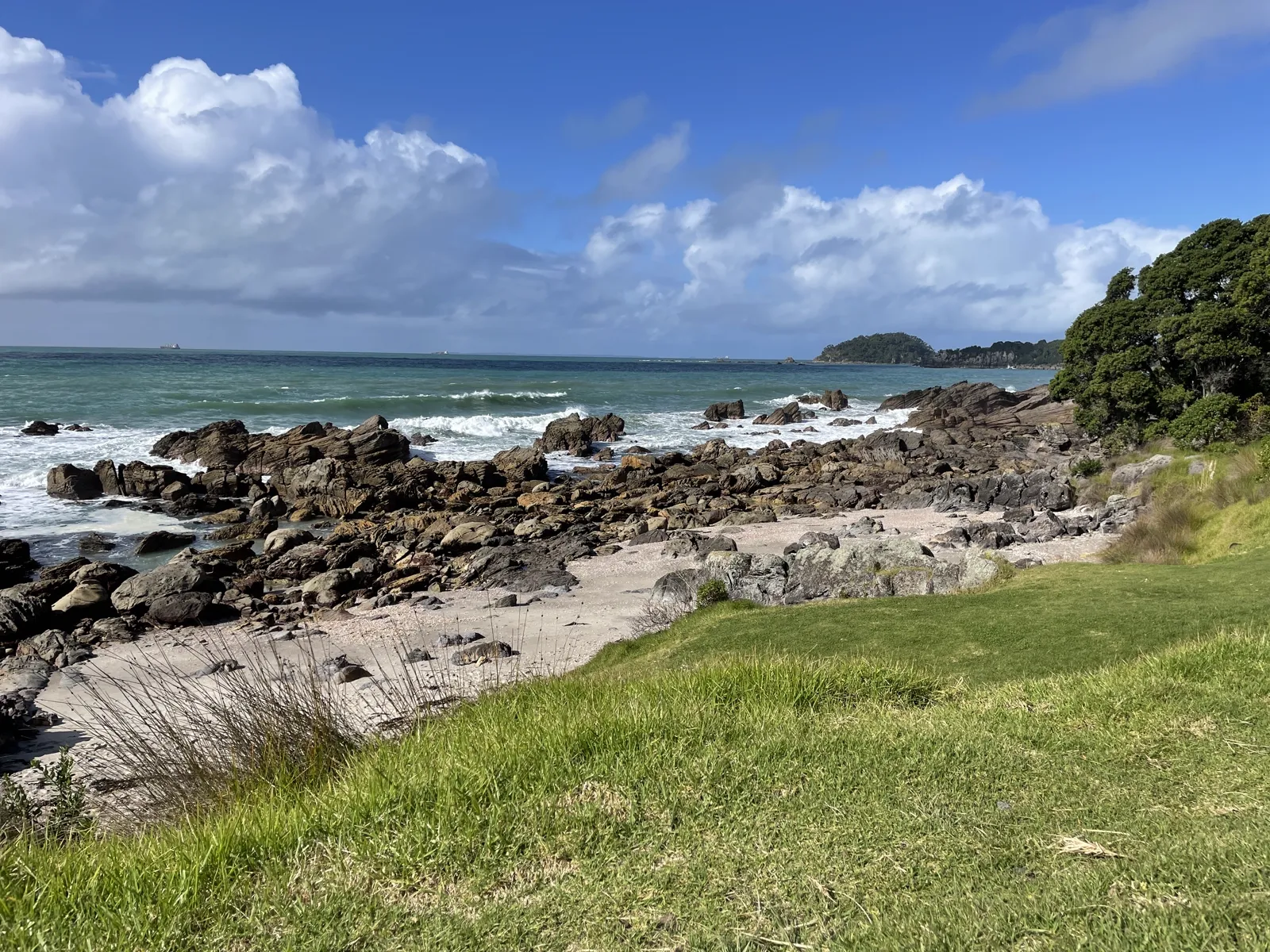
방파제와 와프(wharf)는 갯바위보다 편해 보이지만 난간 없는 가장자리가 많고, 젖은 콘크리트와 이끼 낀 계단은 미끄럽습니다. 밤낚시라면 헤드램프로 발밑을 밝히고 가장자리에서 한 걸음 떨어져 섭니다. 아이와 함께라면 Water Safety Code가 권하는 대로 어른이 팔 닿는 거리에서 지켜봐 주세요. 방파제 끝은 너울이 넘어오기 쉬우니 파도가 높은 날은 들어가지 않습니다.
물에 빠졌다면, 누가 빠졌다면
내가 빠졌을 때: 버둥대지 말고 등을 대고 누워 귀를 물에 담근 채 뜹니다. 숨을 고르고, 여유가 생기면 한 팔을 들어 소리쳐 도움을 청합니다.
다른 사람이 빠졌을 때: 뛰어들지 않습니다. 구명환, 줄, 빈 양동이나 쿨러처럼 뜨는 물건을 최대한 가까이 던져 주고, 그 사람이 어디 있는지 계속 눈으로 확인하면서 바로 111에 전화합니다.
신고 번호: 111과 *500, 한국과 다른 점
| 상황 | 번호 | 말할 것 |
|---|---|---|
| 생명이 위험할 때(사람이 물에 빠짐 등) | 111 → Police | 해상 인명 사고는 소방이 아니라 Police를 찾습니다. |
| 급하지 않은 해상 도움(보트 엔진 고장 등) | 휴대폰 \*500 (Coastguard) | 응급이 아닌 도움 요청용입니다. |
| 보트 위 VHF 무전기 | 16번 채널(조난 채널) | 보트를 타는 경우에 해당합니다. |
한국의 119처럼 한 번호로 해결된다고 생각하기 쉽지만, 뉴질랜드에서는 111로 걸어 교환원에게 어떤 기관이 필요한지 말해야 합니다. 바다에서 사람이 위험하면 "Police"라고 답합니다. *500은 응급 번호가 아니므로 사람이 물에 빠졌다면 망설이지 말고 111입니다.
짧게 외워 두면 좋은 영어 표현입니다.
- "Police, please. Someone has fallen into the sea." (경찰이요. 사람이 바다에 빠졌어요.)
- "We are on the rocks at the north end of ○○ beach." (○○ 해변 북쪽 끝 갯바위에 있어요.)
- "He is wearing a lifejacket." / "She is not wearing a lifejacket."
- "Watch out, big wave!" (조심해요, 큰 파도!)
- 알아 두면 좋은 단어: swell(너울), high tide / low tide(만조/간조), incoming tide(들물), lifejacket(구명조끼)
위치를 설명하기 어렵다면 휴대폰 지도 앱의 좌표나 가까운 주차장, 표지판 이름을 불러 주세요.
2026년 10월 9일 보트 구명조끼 의무와는 별개입니다
Maritime NZ 안내에 따르면 2026년 10월 9일부터 길이 6m 이하 레저 보트(카약·딩기·패들보드·제트스키 포함)에 탄 사람은 운항 중 모두 구명조끼를 입어야 합니다. 이 규정은 보트에 탄 사람에게 적용되며, 땅에서 하는 갯바위·방파제 낚시에 대한 법적 의무는 아닙니다. 다만 카약이나 소형 보트를 타고 갯바위로 건너간다면 이동하는 동안에는 이 규정을 따라야 합니다. 법적 의무가 없다고 해서 갯바위에서 구명조끼가 덜 중요하다는 뜻은 아닙니다. Water Safety NZ는 갯바위 낚시를 하거나 조간대에서 해산물을 채취할 때 항상 구명조끼를 입을 것을 강력히 권고한다고 밝히고 있습니다. 시행일과 세부 내용은 출발 전에 Maritime NZ 공식 페이지에서 다시 확인해 주세요.
함께 알아 두면 좋은 점
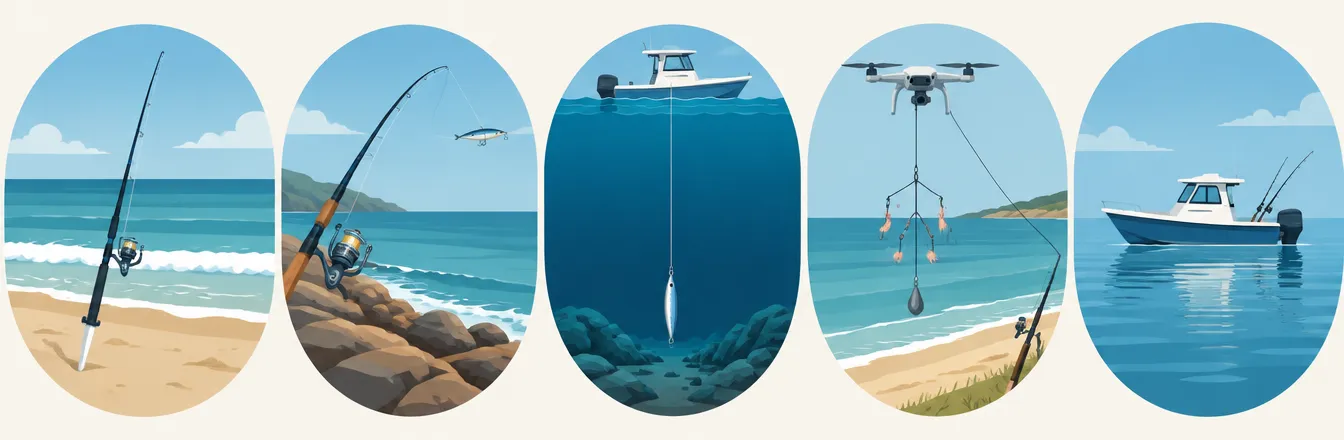
갯바위와 조수 웅덩이 가운데는 채취가 금지된 구역도 있습니다. 예를 들어 MPI 안내에 따르면 2026년 3월 12일부터 2년 동안 오클랜드 북쪽 하우라키만의 오마하 베이, 카와우 베이, 왕가파라오아 반도에서는 조수 웅덩이와 해안에서 200m까지의 바다에서 모든 무척추동물과 해조류 채취가 금지됩니다. 낚시 규정은 지역마다 다르니 MPI 공식 페이지나 NZ Fishing Rules 앱으로 확인하세요. 갯바위가 부담스럽다면 모래 해변에서 하는 원투낚시나 드론 낚시처럼 파도에서 떨어져 할 수 있는 방법도 있습니다. 어떤 방법이든 오늘 바다가 불안해 보이면 쉬는 것이 가장 좋은 선택입니다.
공식 링크 모음
Read in English
Rock and Breakwater Fishing Safety in New Zealand: The Five Official Rules, Lifejackets, Tides and Calling 111
If you are planning to fish from rocks or a breakwater in New Zealand, safety comes before tackle. This guide brings together the five rock fishing rules shared by Surf Life Saving NZ, Water Safety New Zealand and Drowning Prevention Auckland (DPA), the main lifejacket types and how to wear them, how to check waves and tides before you go (MetService and LINZ), footwear and buddy rules, and how to use 111 and Coastguard *500 in an emergency. It also covers the emergency numbers and short English phrases that visitors from Korea often find confusing. Official sources were checked on 30 September 2026.
Why rock fishing is so risky
Surf Life Saving NZ describes rock fishing as the highest-risk activity in coastal drowning deaths over recent years, and DPA calls it one of the most dangerous recreational activities in New Zealand. After five fishers died on Auckland's west coast in late 2005, DPA started its West Coast Rock Fishing Safety Project, which is still running today.
Water Safety NZ notes that changeable weather, strong currents, cold water temperatures and tidal conditions lead both visitors and locals to underestimate the risk. A rock platform can look calm, yet every so often a much larger wave arrives and washes right over your feet. Once you are in the water, it is hard to climb out between the rocks and the cold.
The five official rules at a glance
New Zealand's Water Safety Code has five principles, and Surf Life Saving NZ and DPA apply them to rock fishing like this:
| Rule | What it means on the rocks |
|---|---|
| 1. Know how to float | Only fish from rocks if you can float. Wear a lifejacket and bring something buoyant to throw, such as a ring buoy or an empty bucket. |
| 2. Find the safest place | Check tides, swell, weather and local hazards. Always face the sea and watch for big waves. |
| 3. If in doubt, stay out | If the weather or waves feel wrong, wait for another day. |
| 4. Take care of yourself and others | Never fish alone. Wear light, warm clothing, a lifejacket and non-slip shoes. |
| 5. Know how to get help | Carry a phone. In an emergency, call 111 and ask for Police. |
Lifejackets: wear it, don't just bring it
Water Safety NZ stresses that having a lifejacket is not enough; you need to be wearing it. Putting one on after you have fallen in is extremely difficult or impossible.
Wear rates are improving. In DPA's 2026 observational survey of 19 rock fishing sites on Auckland's west coast (457 people observed, 378 of them fishing), 51% wore a lifejacket or other flotation, up from 29% in 2025. Fishing alone dropped from 21% to 12%. However, 27% were fishing in hazardous conditions and 32% showed other risky behaviour, which means close to half still stand on the rocks without a lifejacket. Water Safety NZ also reports that in 2024, 90% of people who drowned in boating and other craft-related incidents were not wearing a lifejacket. Note that this figure is about watercraft, not rock fishing.
Lifejacket types described by Water Safety NZ:
| Type | What Water Safety NZ says | On the rocks |
|---|---|---|
| Inflatable (Type 401, 150N) | Made for open ocean, rough weather and being far from shore. Automatic or manual; a manual one needs you to be conscious to pull the cord. Crotch strap essential, test it every year. Not suitable for under-15s, and the wearer should be competent in the water. | Adults who are confident in the water, with a jacket tested this year |
| Foam collar (Type 402, 71N+) | Foam-filled, so it floats you straight away with nothing to activate, which suits people who are not confident in the water. Warm, no maintenance, described as ideal for all-day fishing. Meant for calm harbours, lakes and protected coastal areas, not offshore. | Less confident swimmers and beginners on the rocks |
| Buoyancy vest (Type 403, 53N) | 53N, less than a standard 402, with no head support, and it won't turn you face-up if you are unconscious. Described as not ideal for emergencies; made for water sports such as water skiing and kayaking. | Not recommended for rock fishing |
Types 401 to 406 are defined by the New Zealand Standard NZS 5823. According to Maritime NZ, a lifejacket must meet this standard or an approved international standard.
Choose a snug fit, do up every buckle and zip, tighten the straps, and use the crotch strap if there is one. If you do not own a lifejacket, look up DPA's "Borrow a lifejacket" information and its rock fishing e-Learning module. Borrowing locations and details can change, so check the DPA website before you go.
Pre-trip checklist: waves and tides first
| What to check | Where | What to look for |
|---|---|---|
| Wind and swell | MetService marine forecast | Wind speed, swell height and direction. If it looks bad, skip the day. |
| Tides | LINZ tide predictions | High and low tide times. An incoming tide can cover your footing and cut off your way back. |
| A buddy | Family or friends | Never go alone. |
| Tell someone | Family or friends | Where you are going and when you will be back. |
| Gear | Check it yourself | Lifejacket on, non-slip shoes, phone in a waterproof pouch, something buoyant to throw |
LINZ publishes high and low tide times and heights for standard ports, adjusted to daylight saving time during summer. Nearby secondary ports are calculated using time-difference tables.
On the rocks
In DPA's 2026 observation programme, the most frequently recorded risky behaviours were turning their backs to the ocean, climbing down rocks to retrieve tackle, and consuming alcohol or other drugs. Only 30% were wearing suitable clothing and footwear. The points below are based on those findings and the official advice.
- Never turn your back on the sea. Even when re-rigging or resting, face the waves.
- Don't climb down after dropped gear. You matter more than a rod or a bag.
- Don't fish from the rocks after drinking alcohol or taking drugs. Your judgement and balance both suffer.
- Avoid wet rocks. Dark, wet patches and seaweed mean waves reach that spot, and they are very slippery.
- Watch for a while before you set up. Waves vary in size and bigger sets arrive now and then. See how far the largest ones reach and stand well above that line.
- Wear shoes with grip. The official advice is shoes with grip, not gumboots.
On the bbadomi channel, waves have knocked over a rod and snapped the main line, and swept an electric reel battery into the water. The lesson the channel's host took from it is simple: on windy days with big waves, stay home.
Breakwaters and wharves
Breakwaters and wharves feel easier than rocks, but many edges have no railing, and wet concrete and mossy steps are slippery. At night, light your footing with a headlamp and stand a step back from the edge. With children, follow the Water Safety Code and keep them within arm's reach. Swell can wash over the end of a breakwater, so stay off it when the waves are up.
If you fall in, or someone else does
If you fall in: don't thrash. Lie on your back with your ears in the water and float. Catch your breath, then raise one arm and shout for help.
If someone else falls in: don't jump in. Throw a ring buoy, rope, empty bucket or chilly bin as close to them as you can, keep your eyes on where they are, and call 111 straight away.
Emergency numbers: 111 and *500
| Situation | Number | What to say |
|---|---|---|
| Life at risk (someone in the water) | 111 → Police | For people in trouble at sea, ask for Police, not Fire. |
| Non-urgent marine help (e.g. boat engine failure) | \*500 from a mobile (Coastguard) | For non-emergency assistance only. |
| VHF radio on a boat | Channel 16 (distress) | Applies if you are on a boat. |
Visitors from Korea may expect one number, like 119 at home, to cover everything. In New Zealand you dial 111 and tell the operator which service you need; for someone in danger at sea, say "Police". *500 is not an emergency number, so if a person is in the water, call 111 without hesitating.
Short phrases worth remembering:
- "Police, please. Someone has fallen into the sea."
- "We are on the rocks at the north end of ___ beach."
- "He is wearing a lifejacket." / "She is not wearing a lifejacket."
- "Watch out, big wave!"
- Useful words: swell, high tide / low tide, incoming tide, lifejacket
If you can't describe where you are, read out the coordinates from your phone's map app or the name of the nearest car park or sign.
The 9 October 2026 boating lifejacket rule is separate
According to Maritime NZ, from 9 October 2026 everyone on a recreational boat 6 metres or shorter (including kayaks, dinghies, paddleboards and jetskis) must wear a lifejacket while underway. The rule applies to people on boats; it is not a legal requirement for land-based rock or breakwater fishing. If you paddle or motor out to a rock, though, it applies while you are travelling. No legal duty on the rocks does not mean a lifejacket matters less there, and Water Safety NZ "strongly recommends ALWAYS wearing a lifejacket when rock fishing or gathering kai in tidal environments". Check the start date and details on the Maritime NZ website before you go.
Also worth knowing
Some rocky shores and rock pools are closed to harvesting. For example, MPI says that from 12 March 2026, for two years, Ōmaha Bay, Kawau Bay and the Whangaparāoa Peninsula in the Hauraki Gulf are closed to harvesting all invertebrate and seaweed species within the rock pools and out to 200 metres offshore. Fishing rules differ by region, so check MPI's website or the NZ Fishing Rules app. If rocks feel like too much, surfcasting from a sandy beach or drone fishing keep you further from the waves. Whatever method you choose, if the sea looks unsettled today, taking the day off is the best call.
Official links
- Surf Life Saving NZ — Rock fishing
- Water Safety NZ — Water Safety Code
- Water Safety NZ — Lifejackets
- Water Safety NZ — Activities
- Drowning Prevention Auckland — Rock fishing research
- Drowning Prevention Auckland — Land-based fishing
- Coastguard NZ — What to do in an emergency
- LINZ — Tide predictions
- MetService — Marine forecasts
- Maritime NZ — Lifejackets on recreational craft
출처
- Surf Life Saving NZ — Rock fishing (5 rules, highest-risk coastal drowning activity)
- Drowning Prevention Auckland — Land-based fishing (5 rules, shoes with grip not gumboots, Borrow a lifejacket, e-Learning)
- Drowning Prevention Auckland — Rock fishing research (2005 west coast deaths; 2026 observation: 51% lifejacket vs 29% in 2025, solo 21%→12%, 27% dangerous conditions, 32% risky behaviours: turning backs to ocean, climbing down to retrieve tackle, alcohol/drugs; only 30% suitable clothing and footwear)
- Water Safety New Zealand — Water Safety Code
- Water Safety New Zealand — Lifejackets (401 inflatable 150N / 402 collar 71N+ / 403 vest 53N no head support, not ideal for emergencies; strongly recommends ALWAYS wearing a lifejacket when rock fishing; 2024 craft-related drowning 90% no lifejacket)
- Water Safety New Zealand — Activities (changeable weather, strong currents, cold water temperatures, tidal conditions)
- Coastguard NZ — What to do in an emergency (111 Police, VHF 16, *500)
- LINZ — Tide predictions
- MetService — Marine forecasts
- Maritime NZ — Lifejackets on recreational craft (from 9 Oct 2026, craft 6 m and under incl. kayaks, dinghies, paddleboards, jetskis; lifejackets must meet NZS 5823 (types 401–406) or an approved international standard)
- MPI — Auckland and Kermadec fishing rules (from 12 Mar 2026, 2-year closure: Ōmaha Bay, Kawau Bay, Whangaparāoa Peninsula rock pools and 200 m offshore, all invertebrates and seaweed; checked via r.jina.ai reader)
- 빠도미 채널 실수·사고담 노트 (drone/knowledge/notes/실수_사고담.md: GlzqwlzGn7Q 15:18, GZdmbt1ivhQ 14:43, 1wvu6niXVJM 08:34)